Automatic irrigation systems make yard care easier, especially during the hottest months of summer. But without the right settings or regular checkups, they can soak your yard way more than needed. Overwatering might seem harmless at first, but too much of it can actually damage roots, waste water, and even cause diseases to spread through your grass and plants.
That’s why keeping a close eye on how your irrigation system runs is so important, especially here in North Georgia’s warm and humid summer. Knowing when, where, and how long to water can keep your yard green and healthy without overdoing it. With a little help and smart planning, and support like irrigation repair services when needed, summertime watering can be simple and effective. All Star Landscaping provides professional irrigation installation and repair services that are designed for efficient watering, helping keep lawns healthy while cutting down on unnecessary water use.
Understand How Automatic Systems Work
Most automatic systems are easy to program, but that doesn’t mean you can forget about them for weeks. Over time, weather patterns shift and plants grow. If your zones and timers don’t adjust with the changes, your yard could end up with too much water in some spots and not enough in others.
Here’s how the setup usually works.
- Timers are set to run different zones on certain days and times
- Zones are split by areas of the yard, like the front lawn, backyard, or flower beds
- Watering is based on average needs, but those needs shift with daily weather, seasonal changes, and plant growth
During summer in Johns Creek, the heat and humidity make things especially tricky. A week of afternoon showers can quickly turn into dry heat, and your irrigation system needs to keep up. Leaving settings on autopilot all season almost always leads to waste or damage. Taking the time to adjust your system for the week ahead, especially when storms are in the forecast, can make a big difference in how your yard looks and feels.
Spot the Signs of Too Much Water
Overwatering doesn’t always look obvious at first. But there are some telltale signs we can watch for that suggest water is sticking around when it shouldn’t.
Some common warning signs include
- Water puddles or soggy patches after each watering cycle
- Grass that turns yellow or looks flattened, especially in low-lying areas
- Mushrooms, mold patches, or seedling weeds growing faster than expected
One of the most overlooked areas is under trees or near fences, where water may not soak in evenly because of poor drainage or shade. Sloped yards in neighborhoods like Alpharetta are extra tricky since water tends to run downhill and collect in corners. These small differences in sunlight and slope affect how much water the soil holds, and oversoaked areas often lead to dead grass and root problems if left untreated.
Adjust Timing Based on Weather
July weather in Georgia is known for high heat and random popup storms. That mix makes watering a bit of a guessing game unless your system is set up to change with the weather or you’re regularly checking it.
Here’s what tends to work well during humid Southern summers
- Water early in the morning, before 9 a.m., so grass has time to dry out
- Keep watering sessions shorter and more spread out to avoid runoff
- Skip a watering day after storms, even if your timer is still running
Some systems come with weather sensors that pause watering if rain is expected or has already fallen. Those can be helpful, but they still need to be checked often. We’ve seen cool mornings trick sensors into delaying water even though soil is dry underneath. It’s a smart idea to walk the yard now and then and make sure what’s on the controller matches what’s happening on the ground.
Make Sure the System Is in Good Shape
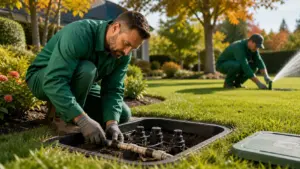
Even the best irrigation schedule won’t help if parts of the system aren’t working. Summer is the perfect time to look over everything and spot any leaks or broken pieces before they lead to bigger problems.
These are some of the most common issues we check for
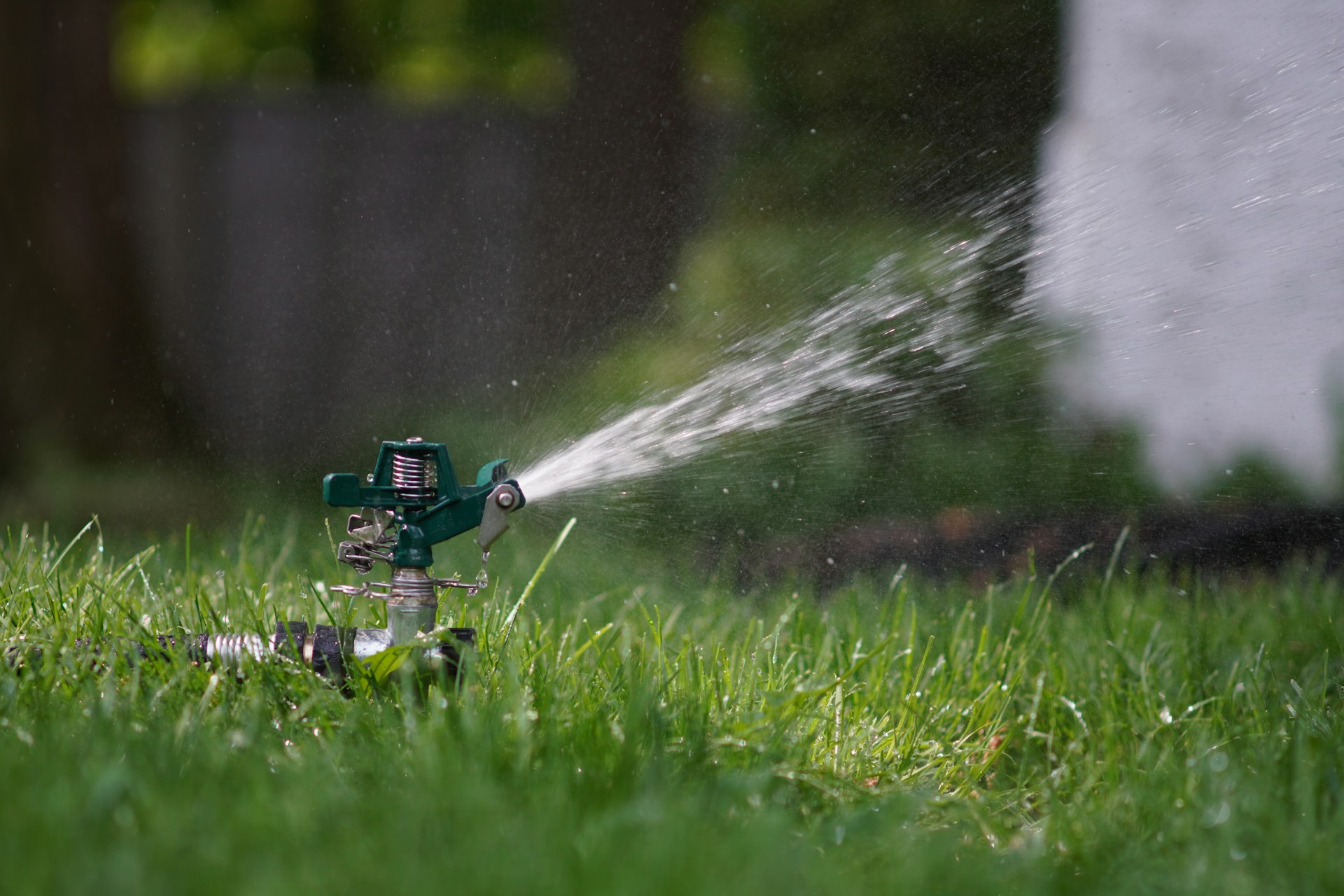
- Heads that are broken, sunken, or spraying in the wrong direction
- Valves that are leaking under the surface and keeping soil too wet
- Nozzles that are tilted or blocked, leaving some areas too dry and others too wet
If something feels off, having irrigation repair services handle a full inspection can keep watering balanced across your entire yard. It doesn’t take much; just one tilted head can keep two feet of grass too wet all season. Fixing these small things early helps protect plants, especially during weeks of full sun and no rain. Our irrigation work is focused on prompt, reliable repairs and automated setups that keep watering consistent while avoiding unnecessary use.
Let the Landscape Guide You
Plants have their own ways of telling us when something’s not right. Brown tips, drooping branches, or soggy soil beneath green grass are all signs something needs to be changed. Instead of relying on the timer only, it helps to do a weekly walk-through and see how the yard is doing up close.
Here are a few smart habits we’ve built into our summer yards
- Water plants with similar needs in the same zones
- Adjust zones for sun versus shade, since the same setting won’t work for both
- Check for dry spots or pooling water as soon as the irrigation finishes each cycle
Georgia heat makes water disappear fast, especially in full sun or on sloped areas where it runs downhill. But some parts of the yard may never dry out, especially if they are shaded or lower than grade. Scheduling or adjusting based on what the plants and grass actually need, and not just what the system is doing by default, can be the difference between a healthy lawn and one fighting off fungus all summer.
Healthy Lawns Start With the Right Water Plan
Automatic irrigation systems save time and effort, but they aren’t completely hands-off. Especially during summer in North Georgia, we have to adjust watering habits as the weather shifts throughout the month. Too much water does more harm than good, and it often sneaks up before you notice.
Watching how your yard responds and being open to small changes week to week can prevent big problems later. If something doesn’t feel right, or if water’s hanging around too long in one spot, it could be time to check for a broken part or consider professional irrigation repair services.
Georgia’s changing weather can leave your sprinkler system struggling, and uneven watering may signal that it needs a system check. Small issues such as a cracked head or a slow leak can disrupt your entire watering schedule if not addressed quickly. We recommend taking action sooner rather than later to protect your lawn, plants, and peace of mind, and our irrigation repair services offered by All Star Landscaping can help restore balance to your watering system. Contact us today to schedule a visit.