Winter storms in Johns Creek, Georgia, may not bring snow like up north, but they still come with their fair share of trouble. High winds, heavy rainfall, and cold snaps can take a toll on trees that haven’t been checked in a while. When weak limbs or old stumps are left sitting too long, storm season can turn them into real hazards.
We take a close look at potential problem areas in fall to help prevent mid-winter surprises. From leaning trees to hidden decay, the warning signs are easy to miss without a good walkthrough. For those dealing with leftover trunks or rotting bases, stump removal in Johns Creek isn’t just a cleanup job, it helps reduce the risk of injury or damage as storms roll through. As part of our tree removal and stump grinding services, we use professional equipment to safely remove unwanted trees and grind stumps so your yard is ready for new plans.
Fall is the last solid window to get ahead of these risks before weather becomes unpredictable. A little work now pays off with fewer problems later, especially when trees are near homes, cars, and driveways.
What Cold Weather Does to Trees
Trees may seem sturdy, but they’re not made to handle everything nature throws at them during colder months. Even in Johns Creek, where winters are mild compared to other regions, the mix of wet conditions and sudden temperature swings can cause trouble.
Here’s what we see happen most often during winter weather:
- Frozen soil can make tree roots stiffen up and lose their hold, especially in trees already leaning or weakened by pests or age
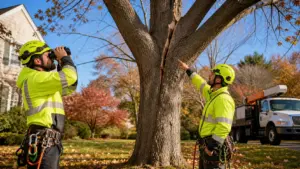
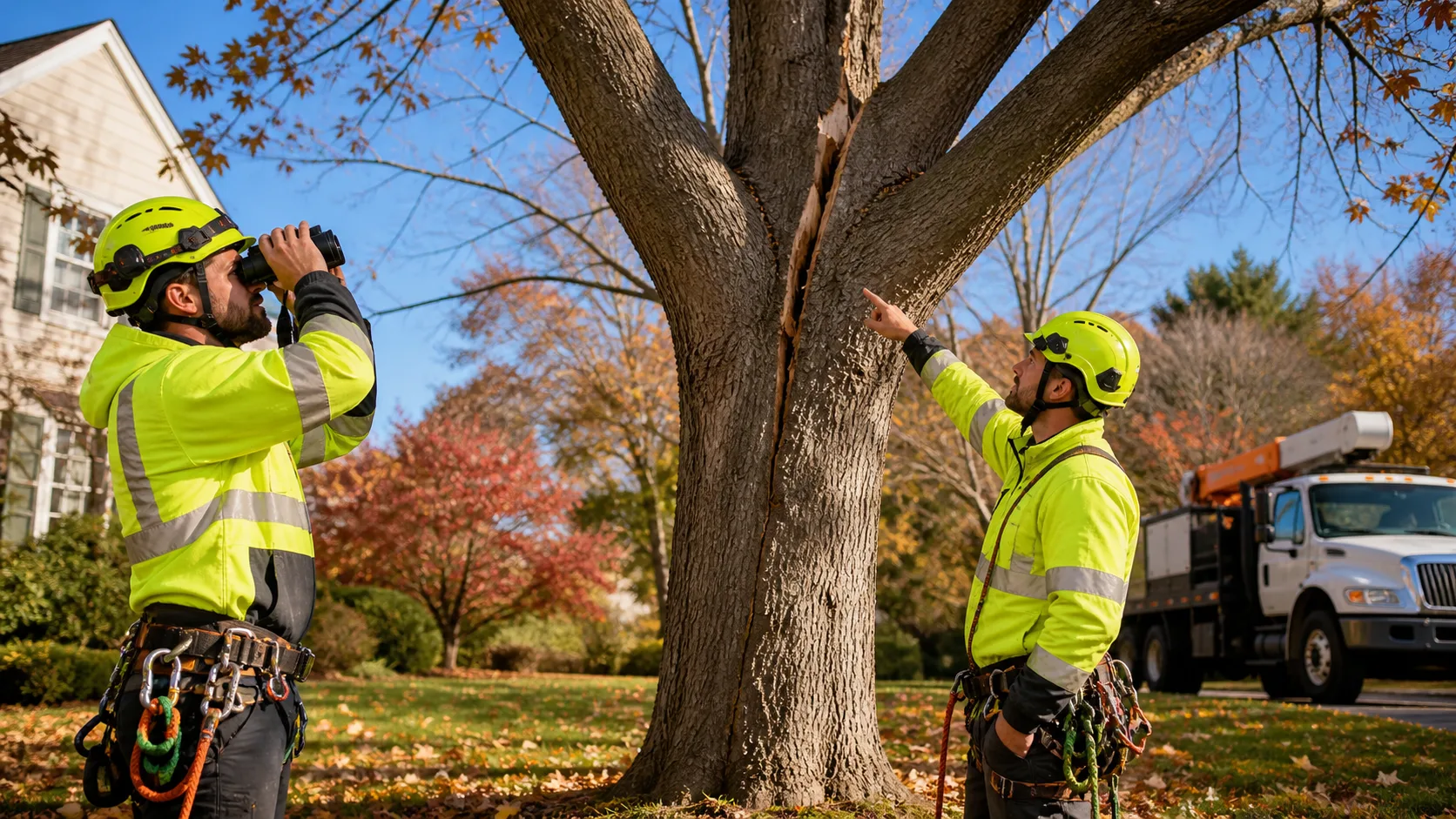
- A quick shift from warm to freezing temperatures can crack the bark or open tiny gaps in trunks
- Wet branches gather weight, and gusty winds give just enough force to snap limbs unexpectedly
These problems usually show up after a few freeze-thaw cycles. The tree may have made it through summer looking fine, but once the weather turns, hidden weaknesses become more obvious. That’s why fall is the right time to start checking while the ground is still soft enough to work in and the leaves help spot which branches are looking bare or stressed.
Signs That a Tree Might Not Survive the Winter
Not every tree is strong enough to stay standing through the colder season. Catching a few small signs early can help prevent broken limbs, blocked paths, or damage to nearby buildings when storms hit.
Look out for symptoms like these:
- Deep cracks or splits in the trunk, even if they’re along the side and not front-facing
- Patches of bark that are peeling in odd places or exposing the inner wood
- Branches that never grew leaves during spring or dropped them early in fall
Trees that tilt more than usual or shift after a lot of rain are another concern. Waterlogged soil in fall can loosen roots, and once wind gets involved, that small lean could turn into a full fall.
If you notice mushrooms, soft spots, or strange growths at the base of a tree, it’s often a sign of decay inside, and that means the cleanup could be a lot worse if the tree topples during a storm.
Why Stump Removal Helps Before Storm Season
Old stumps may seem harmless, especially if they’ve been sitting in the yard for a while. But after a long summer and the start of fall rains, they become softer, slicker, and a lot less stable.
Here’s how leftover stumps cause problems once storms move in:
- As the wood breaks down, it turns soft and holds water, becoming a slipping hazard near driveways or steps
- Any roots still underground can shift when the ground freezes or floods, making sidewalks or soil bulge
- Pests or mold can settle in without being noticed until it’s too late
When it comes to storm safety, stump removal in Johns Creek is more than just a yard cleanup step. It clears the space for better water flow, removes tripping hazards, and helps keep the area safer for anyone walking through in low light or heavy rain. We approach every removal and stump grinding project with a focus on safety and environmental responsibility, working to protect nearby structures and the surrounding landscape as we work.
Branches, Limbs, and Overhangs to Watch For
It’s easy to forget how close some limbs grow to rooftops, porches, and utility lines. During a storm, the combination of strong winds and heavy rain turns those overhangs into serious risks.
The main trouble spots often include:
- Large branches that hang over sheds, garages, or play areas
- Low limbs that hover above driveways, which can fall when frozen and block car access
- Overgrown sections near gutters that clog quickly when leaves and twigs pile up
Winters in North Georgia don’t usually bring snow, but rain comes often, and when it freezes overnight, any hanging branch with extra weight can come crashing down. We usually check these areas before the end of November to see if trimming or removal is needed before the strong wind shifts begin in December.
Don’t forget about small limbs either. These are often the ones that freeze, snap, and fall right after a storm has passed. Clearing a few before winter could save you from unexpected cleanup later.
Safe and Sound: Getting Ahead of Tree Problems
Planning in fall helps keep things quiet and less stressful once winter storms show up. Trees are a long-term part of most yards, so looking after them ahead of time sets the tone for the whole season.
Taking care of leaning trunks, broken limbs, or digging out old stumps doesn’t just stop danger, it keeps the yard looking better for months to come. We focus on safety, visibility, and open access by checking trees before rainstorms, frost, and wind become more common. Our tree removal and stump grinding work includes removing unwanted trees, grinding stumps to below ground level, and hauling away debris so homeowners can move forward with new landscaping plans.
Around Johns Creek, the weather doesn’t always wait until deep winter to bring problems. By handling what needs attention before late November, we give ourselves, and our yards, a better chance for a quiet, safe season without surprise damage or blocked paths.
Storm-weakened trees or decaying roots around your yard mean it’s time to take action before winter worsens potential issues. Clearing out old roots and dead trunks creates more space, keeps walkways safer, and minimizes storm damage. We know that loose debris can cause problems in Johns Creek when the ground is soaked or frozen, which is why we recommend a closer look at areas needing attention, especially when it comes to stump removal in Johns Creek. Ready to prepare your yard before the next big rain rolls in? Contact All Star Landscaping to get started.