Spring rain can bring life to a yard, but too much of it at once can turn into trouble, especially for trees. In Alpharetta, late spring weather often includes heavy downpours and soaked soil that stays wet longer than most people expect. While the grass may grow faster and flowerbeds fill out, many cases show those same rains lead to hidden issues underground.
One of the most common problems is root rot. This is the kind of damage that sneaks up slowly, often without obvious signs until the tree is already in decline. If you are like most homeowners, you might not notice it until something looks off. Yard care in Alpharetta needs to match the weather, and knowing when to act can make a difference, especially before heavy storms set in again. That is why calls about tree removal in Johns Creek increase after periods of soaking rain. The key is catching signs of root rot before things unravel.
What Root Rot Actually Is
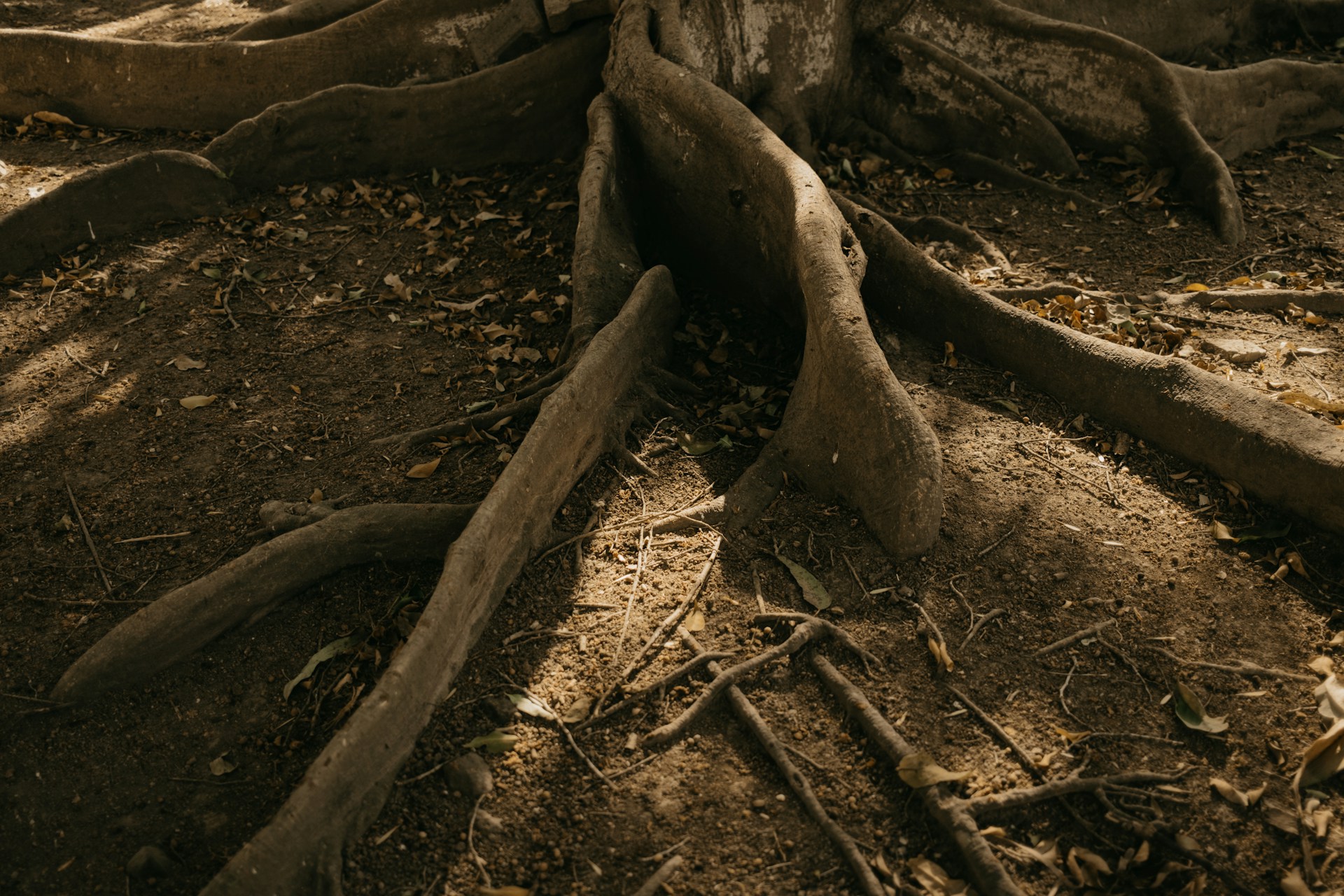
Root rot is exactly what it sounds like: the roots of a tree begin to decay and break down in wet, soggy soil. When the ground stays damp for days at a time, especially after heavy rain, the roots cannot get the oxygen they need. Over time, they rot from the inside out.
This usually starts below the surface. You will not always see damage right away. While the tree looks fine up top, its support system underground could already be falling apart. Poor drainage or compacted soil makes the problem worse. Water gets trapped around the roots, creating spaces where fungi or bacteria can grow. Once that happens, the rot spreads slowly.
By the time it shows above ground, the problem has usually been developing below the surface for weeks or even months. This is why it often catches homeowners by surprise after a stretch of wet weather.
Early Signs of Root Rot to Watch For
The good news is there are clear warning signs if you know what to look for. After a few days of steady rain, it is worth taking a closer look around your trees. Things that seem small might be bigger than they appear.
Watch for changes like these:
- Wilting or yellowing leaves, especially if it is not that hot outside
- A tree that suddenly drops leaves or thins out from the top down
- Soft spots near the base of the trunk or a spongy feeling when you press the root area
- Water pooling around the base where the soil used to drain just fine
You might also notice mushrooms popping up around the trunk, or a strange smell coming from wet bark or mulch. These signs do not always mean root rot, but they often point to conditions that are not great for the tree’s health. Spotting the symptoms early gives you more time to get ahead of the damage.
How Heavy Rain Makes the Problem Worse
May in Alpharetta often brings back-to-back storms, which means the ground does not always have time to dry between showers. This keeps the soil wet longer, especially in shaded areas or lower parts of the yard. Poor drainage increases the risk.
Once the roots stay soaked, they begin to lose strength. The tree will start putting out fewer leaves and may shift its energy to survival instead of growth. That is when rot sets in. Each new storm adds more pressure, more weight, and less relief for the soil beneath your trees.
Some spots show that the same tree that looked fine in early spring starts to lean or drop large limbs a few weeks later. One storm can push a weakened root system past its limit. These early weeks of spring are a good time to walk your yard and see how water is moving, or not moving, around your trees.
When Root Rot Becomes a Risk for Nearby Structures
A tree with root rot is more than a yard problem; it can become a safety hazard. As the roots decay, they lose their grip in the ground. These trees are weaker and are more likely to shift or fall during high winds or heavy rain. If they are close to a house, fence, or driveway, the risk can become serious.
Larger trees near structures are the ones that cause the most concern. They may not always show visible signs right away, but if the underground base is crumbling, even light storms could start knocking down limbs or pulling the whole tree sideways. It is smart to keep an eye on the trees closest to your home or patio.
In some cases, tree removal in Johns Creek becomes the safest choice, especially if a tree is leaning, hollowed-out at the base, or showing clear signs of root damage. The sooner those trees are looked at, the better chance you have of avoiding surprises during severe weather.
A Safer Yard Starts Below the Surface
Catching root rot early can help prevent larger problems later in the season. It is easy to overlook what is going on underground, but every tree depends on the strength and health of its roots. If the rain keeps falling and the yard stays damp, check to see if anything seems off above ground.
Small changes like drooping leaves or damp soil around the trunk can point to bigger trouble below. Watching for those early signs and responding quickly helps keep the yard safe and healthy before summer storms start.
Healthy trees start from the roots up. When May weather in Alpharetta brings lots of rain, it is a good time to focus on what is happening under your feet. Regular checks for drainage, soil softness, and changes in tree health help you keep your outdoor space steady no matter what the skies bring.
Noticing soft soil, leaning branches, or thinning leaves after rainy weather may signal underlying root damage that puts your trees at risk, especially when they are near homes or outdoor living spaces. We have helped homeowners avoid costly surprises by assessing trees well before summer storms arrive. When such damage threatens safety, we recommend tree removal in Johns Creek as the next careful step. Contact All Star Landscaping to schedule a walkthrough and receive expert advice on planning your next steps.