This time of year, it’s hard to miss the leaves falling across Alpharetta. Streets, driveways, and yards get covered fast, especially as local trees let go of what’s left before winter. While leaves can look pretty on the ground, they can cause a few problems around the house, especially for outdoor systems like lawn irrigation.
If you have recently planned for an irrigation system installation or already have one in place, it is natural to wonder how all these leaves might be affecting it. Do they just sit on the surface, or can they actually clog something underground? It turns out fallen leaves can do more than just pile up. If not managed properly, they could cause headaches for homeowners just as the temperature starts to drop.
How Leaves Get into Irrigation Systems
Most leaves don’t fall straight into equipment, but they don’t need to. As the wind picks up during late fall, leaves tend to blow into all kinds of spots. Certain parts of your irrigation system can collect leaves more easily than others.
Here are the common entry points where leaves can sneak in:
- Open spaces around sprinkler heads often end up as collection spots for dry or soggy leaves
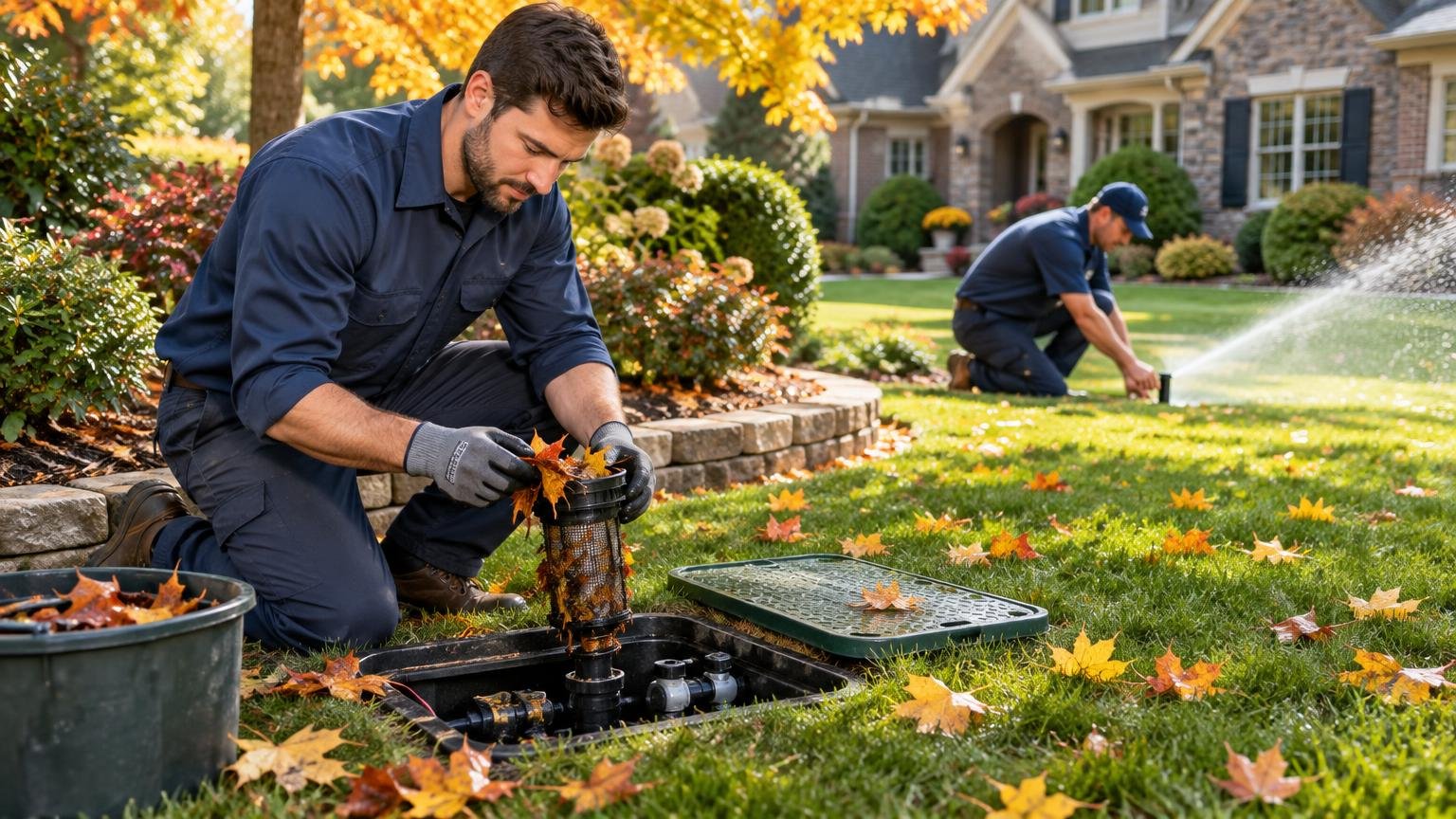
- Rain can help carry leaf debris into low areas, like valve boxes that sit just under the surface
- Surface-level drip lines that water flower beds or raised sections are especially easy for leaves to crowd over
The type of system you have matters too. Some are buried deeper underground or sealed tighter, while others have visible or accessible components. Older setups or those visible above soil tend to have more exposure, which can lead to more leaf interference.
Common Issues Leaves Can Cause
When leaves make it into the wrong parts of a system, they don’t just sit there. They start to block or clog things that need to stay clear for water to flow. The problems aren’t always huge right away, but over time, they add up.
Here is what we often notice when leaf buildup becomes a problem:
- Sprinkler heads may get blocked, which means water sprays unevenly or not at all in some parts of the yard
- Filters and screens buried in the system can trap leaves, which reduces water pressure or slows flow altogether
- Unbalanced water pressure, caused by clogged lines or valves, can throw off an entire watering schedule
It does not take a lot of leaves to mess with the way water moves. Just a few caught around a small valve or screen can knock things out of sync.
Systems at Higher Risk During Fall in Alpharetta
In Alpharetta, we see a longer leaf cycle than in colder parts of the country. The weather stays mild deep into November, which means trees keep shedding through late fall. Combine that with breezy afternoons and occasional rain, and leaves get pushed across yards day after day.
Here is who might need to be most alert this season:
- Homeowners with older irrigation systems, especially those with visible or open parts around the yard
- Houses surrounded by tall trees or mature shade plants that drop steady layers of leaves
- Properties on sloped land, where leaves are more likely to move and gather around lower spots in your yard
Certain neighborhoods in Alpharetta are packed with trees, which gives the whole area a beautiful wooded feel. But those same trees keep sprinkling leaves across lawns and flower beds. It is easy for that buildup to go unnoticed until water stops flowing where it should.
Preventing Leaf Trouble Before Winter Hits
Once we hit late November, it is a good time to check on systems before winter sets in. Leaves are not the only concern. Cold weather and frozen soil bring challenges of their own, but clearing out leaf buildup before then can save a lot of trouble.
There are a few simple steps that make a big difference:
- Rake around sprinkler heads and visible valves a couple of times in late fall
- Watch for signs of uneven watering, especially right after heavy leaf drop days
- Let a professional check filters, screens, and valves if water pressure starts to dip
It is tempting to try to clean clogged lines on your own, but it is usually better to have someone familiar with system layouts take a closer look. When done right, irrigation system installation includes helpful features that block debris or make routine checks easier. Those little design choices play a big role when leaves start falling.
Why It Pays to Stay Ahead of Fall Leaf Buildup
Leaves are quiet problems. They do not make noise or break anything right away. But left alone, they work their way into places that slow down or wear down outdoor systems. You will not always see the issue until patches of grass turn dry or puddles form in one part of the yard.
Getting ahead of it while it is still fall can mean fewer problems once it starts getting colder. A few small actions now help you avoid the bigger mess of dealing with frozen debris or broken parts in the middle of winter.
When you have already invested in irrigation system installation, taking a little time to prevent clogs before cold weather sets in is a smart move. Whether your system is brand new or a few seasons old, keeping it running smoothly helps your whole yard stay healthy into the next growing season.
Falling leaves around your property this time of year signal it may be time to check your irrigation system. Leaves can clog parts of your system unexpectedly and reduce water flow just when your yard needs a break before winter. A timely review or adjustment can make a big difference, especially if you have recently had an irrigation system installation or are planning one soon. At All Star Landscaping, we help homeowners across north Georgia keep their yards healthy in every season, so give us a call to schedule a system review and discuss your next steps.