By the time late spring rolls into Johns Creek, most yards are already waking up. Grass thickens, trees start to fill out, and those sudden afternoon storms become more regular. It’s the time of year we get hit with heavy rain, strong winds, and fast-moving clouds that cause a mess in the yard.
One thing we often see during these summer storms is added stress on whatever’s left behind after trees come down. That’s where stump grinding in Johns Creek becomes not just useful, but smart. Leftover stumps might seem harmless at first, especially in the cooler months. But once summer storms get going, they can lead to all kinds of problems we would all rather avoid. Our stump grinding services are part of a broader tree removal offering that includes cutting trees, grinding stumps, and hauling away debris so your yard is ready for new plans.
How Summer Weather Creates Trouble for Old Tree Stumps
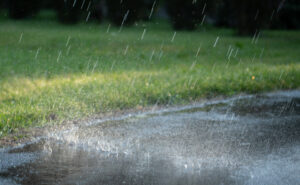
Those stumps sitting quietly through the spring can take a real hit once summer storms start rolling through. It often starts with the ground itself. After a good amount of rain, roots that were once firm can swell, shift, or rot faster than expected.
Here’s how summer weather makes things worse:
- Rain does not just soak the soil, it loosens the roots and makes decaying wood break down quicker
- Wind can push nearby branches or debris into stumps, making the mess around them grow
- Strong storms sometimes uncover root zones, exposing sharp pieces or uneven spots that were once hidden
We have seen cases where a stump was not much of a bother one week, then turned into a full-on trouble spot after a few days of summer wind and water. The deeper those roots go, the more chance they will shift in a way that changes the feel or flow of your yard.
Stump Problems That Get Worse After a Storm
Storms do not just make stumps look worse, they create new risks. Once a stump soaks up water, it becomes a magnet for pests and decay. Even the parts you cannot see, like the roots buried under the grass, start to break down and affect nearby areas.
We have noticed a few common problems that pop up after storms:
- Wet wood often grows fungus or mold, especially with the heat and humidity
- Bugs, like termites or ants, burrow into waterlogged stumps and then spread to lawns or structures
- Crumbling roots change the shape of the ground, making mowing harder and walking across the yard less safe
Since these issues often happen underneath the surface first, you might not notice them right away. But by the time the signs show up above ground, it usually means the damage is already well underway. The more storms pass through, the more the problem spreads.
Why Stump Grinding Is Safer and Cleaner Than Leaving It Be
The simplest way to avoid these issues is to deal with stumps before they create yard-wide problems. Leaving them in place usually just means managing extra mess, dodging uneven spots, and hoping bugs do not move in.
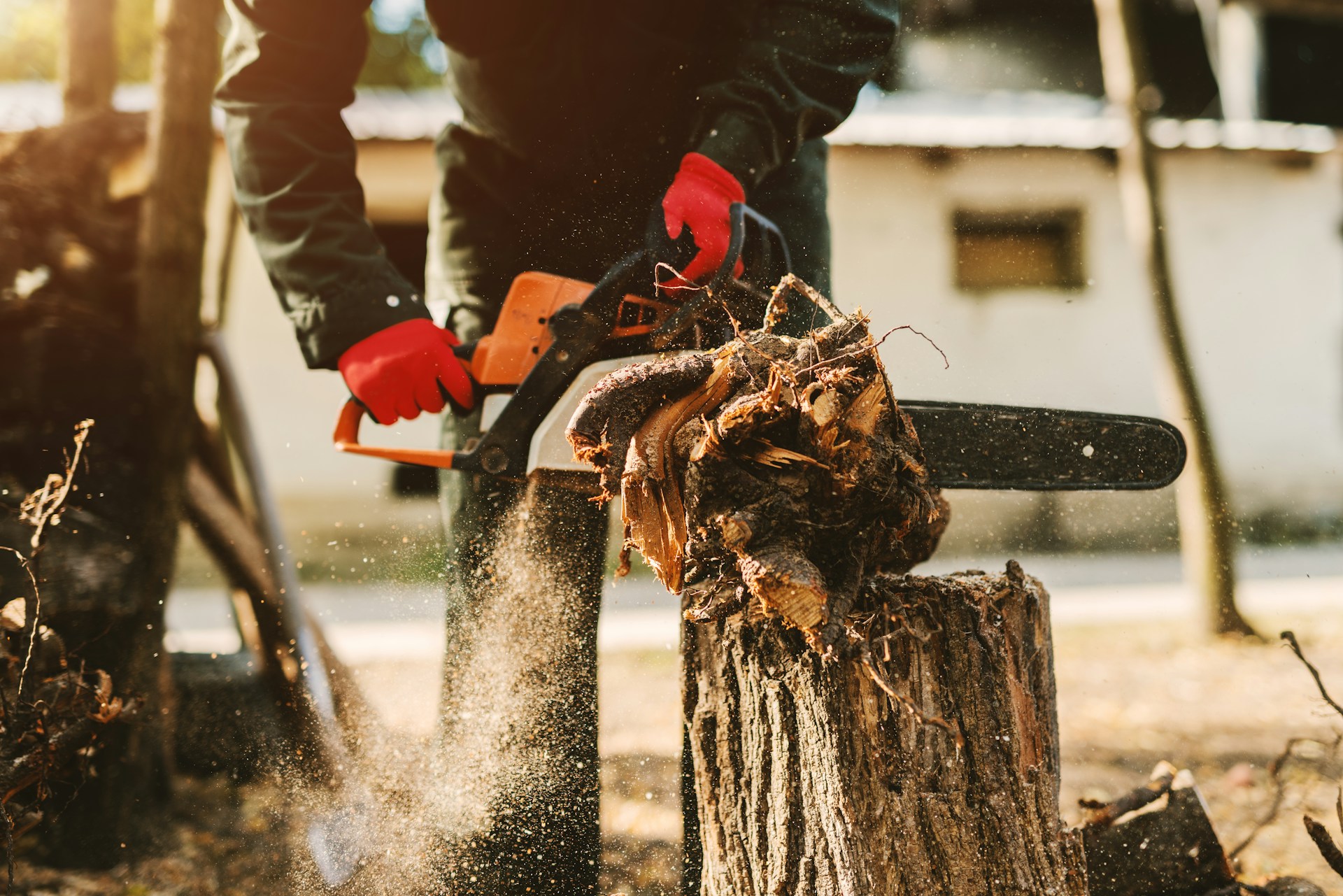
Stump grinding removes what you see, and what is buried just below. This approach helps:
- Get rid of trip risks around footpaths, grassy areas, or spots kids or pets might explore
- Free up space for new plants or dirt work without working around a hard, decaying chunk of wood
- Keep watered spots from pooling and growing weeds that are hard to trim
It also makes general yard upkeep easier in the long run. When grass grows evenly without strange dips or patches, everything from mowing to seeding feels simpler. The smoother the surface, the better chance your yard has to stay clean during rain-heavy weeks. Our team uses professional stump grinders sized for residential yards, which allows us to remove stumps efficiently while limiting disruption to surrounding turf and landscaping.
Good Timing: Why Late Spring Is Best for Yard Cleanups Like This
One reason stump grinding works especially well right now is timing. By late April and early May, we are heading into warmer, soggier weather. The ground starts to hold moisture longer, which softens the soil and makes stump removal smoother.
There are a few added benefits this time of year:
- Softer ground means root grinders can reach deeper without tearing up the yard
- With cleanup now, your lawn stays tidy through the rest of summer without grass growing around a stump
- It is early enough to finish the job before June storms bring more debris and drain time
Waiting too far into the season may mean dealing with soft ground along with thick weeds or fast-growing grass. That only gives those old stumps more cover and makes cleanups harder than they need to be.
A Healthier Yard Starts With a Clean Finish
Late spring in Johns Creek brings more than just blooming flowers. It signals a time when outdoor problems can grow fast, especially with old tree stumps sitting in the yard. When summer storms start to blow through, these hidden trouble spots become more noticeable and harder to deal with.
Getting ahead of stump issues before the storms hit their peak makes a big difference for safety, style, and cleanup. It clears the way for better drainage, cleaner mowing paths, and less chance for pests to settle in. Your yard works better when problems underground are handled early, and stumps are a good place to start. As part of our tree removal and stump grinding service, we can prepare areas for new sod, beds, or other landscape features once the stump is gone.
Get your yard summer-ready in Johns Creek by taking care of leftover stumps before the storms hit. Heavy rain and rapid root decay can turn once-solid tree bases into hidden hazards that spread pests and weaken soil. We know how quickly conditions can change in Georgia weather, which is why now is the ideal time to act. Learn how our approach to stump grinding in Johns Creek protects your lawn before severe weather sets in. Call All Star Landscaping to schedule your cleanup today.