When fall arrives in Alpharetta, the weather starts to shift just enough to give our lawns a much-needed break from summer stress. Late summer and early fall are more than just cooler evenings and earlier sunsets, they also bring the right conditions for fixing tired or thinning grass. That’s where overseeding comes in.
This time of year gives us a great chance to improve how the lawn looks and feels. Overseeding adds fresh grass seed over the existing lawn, filling in bare spots and thickening up any patchy areas. It’s one of the smartest parts of lawn care in Alpharetta, GA, helping us get more out of the cooler season and set things up well for the spring ahead.
Why Overseeding Matters for Your Alpharetta Lawn
Over time, even a healthy lawn can start to look thin or worn out. Hot summers put stress on grass, and foot traffic doesn’t help much either. If patches are popping up and the yard looks uneven by late August, overseeding is likely a smart move.
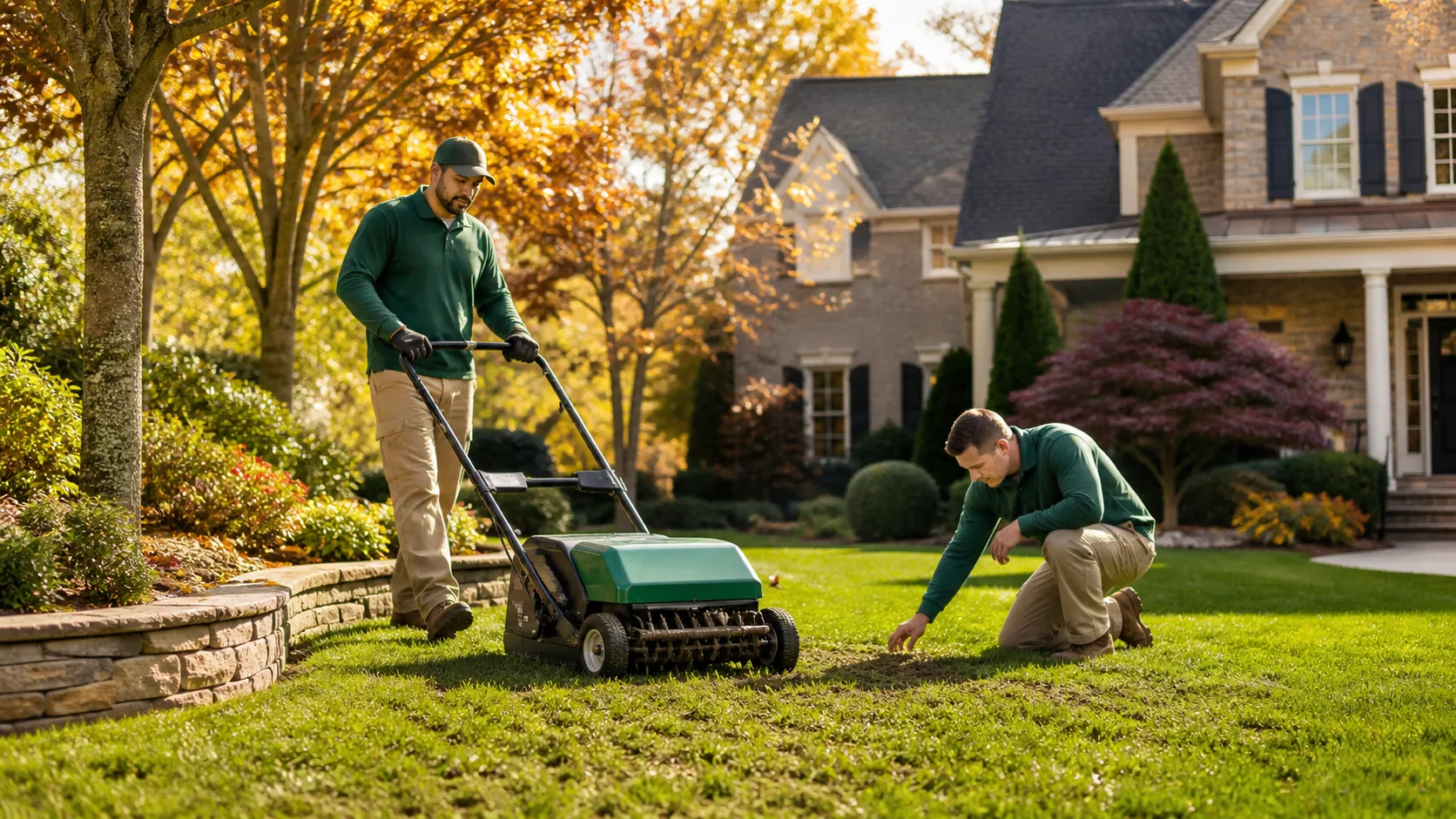
Overseeding is a way to freshen the lawn by adding new seed directly on top of existing grass. You are not pulling up the old lawn or starting from scratch. You are simply giving the grass a little extra help to grow stronger and fuller.
Some of the signs that make us recommend overseeding include:
- Thinning areas where grass was once thick
- Brown or bare patches that won’t fill in
- A lawn that looks dull or tired, even with water and mowing
When we make time for overseeding, it helps slow down weed growth and gives the grass a better shot at growing back thick and green. A fuller lawn looks better, and it handles heat, foot traffic, and future weather better throughout the year.
Best Time to Overseed in Late Summer and Early Fall
Timing means everything when it comes to overseeding. In Alpharetta, we deal with hot summers followed by mild fall weather. That shift creates the right window for new grass seed to take hold. Warm soil helps seeds germinate quickly, and cooler temperatures give the grass time to grow without drying out.
We see mid-September as one of the best times to start. By then, summer heat is fading, and rainfall becomes more steady, which is great for seed growth. The soil is still warm down below, but the cooler air up top keeps things more balanced. That mix gives seeds the best chance to grow strong roots before winter.
Seeding at the right time aligns well with other parts of a smart seasonal routine. For example:
- Newly seeded lawns benefit from shorter daylight and cooler nights
- Weed pressure is lower in late summer and early fall
- Moisture from fall rain helps young grass grow without too much added watering
Getting the seed down before the nights turn cold allows grass to build strength and survive winter, opening the door to a strong, green return in spring.
How to Prepare Your Lawn Before Overseeding
To get the most out of overseeding, the prep work matters just as much as the seed itself. Before adding any seed, we make sure the lawn is ready for it to stick, settle, and take root.
Here are a few simple steps we use to prep the yard before seeding:
- Mow the grass a little lower than usual to help the seed reach the soil
- Remove leaves, branches, or leftover grass clippings from the surface
- Lightly rake to open up the soil surface and give the seed a better chance to settle in
It also helps to take a quick look at irrigation ahead of time. Even if cooler weather is on the way, the seed still needs regular light watering to sprout well. Checking for dry spots or uneven coverage ahead of time removes the guesswork once the seed is down.
If soil has gotten hard or dry over summer, it might not hold seed well at first. We keep an eye on those areas and loosen the top layer when needed so the new grass can grow evenly across the whole space.
Aftercare: Helping New Grass Take Root
Once the seed is down, the care does not stop. The next few weeks are key for helping those seeds turn into healthy new grass. Growth does not happen all at once, and it might not look very exciting at first, but staying patient is worth it in the long run.
Here’s how we take care of a lawn after overseeding:
- Water lightly once or twice each day for the first 7 to 10 days
- Avoid mowing until the new grass reaches about 3 inches high
- Keep off the lawn as much as possible during early growth
During the first two weeks, the seed will start to sprout. Even if it does not all come up right away, that’s normal. Some types of grass take longer to show, depending on variety and weather.
By the third week, most new growth should start filling in. That’s when watering can slow down, and mowing can begin again. We keep the mower blade sharp and avoid cutting too short to protect the young grass from damage.
Sticking with the aftercare plan helps the new growth stay strong and gives the entire lawn a more even look by the time fall really sets in.
Stronger Lawns Start with the Right Timing
Overseeding at the right time in early fall can turn a tired summer lawn into a fresh, stronger yard heading into winter. When we put down new seed while the soil is still warm and the nights are cooling off, the lawn responds faster and fills in better.
These simple habits (seeding on time, prepping the soil, and watering right) do more than fix a few bare spots. They give us a head start on a clean, healthy yard that is easier to care for all year long. Once it becomes part of regular lawn care in Alpharetta, GA, the results start to show season after season.
At All Star Landscaping, we know how much of a difference the right seasonal maintenance can make, especially going into fall. Overseeding is one of the best ways to refresh tired grass and bring back color and density in time for cooler weather. If your yard in Alpharetta is starting to look thin or uneven, we’re here to help you get ahead before spring hits. To see how we support consistent, high-quality lawn care in Alpharetta, GA, give us a call and let’s talk through the next steps.