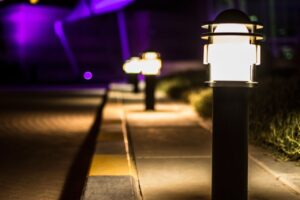
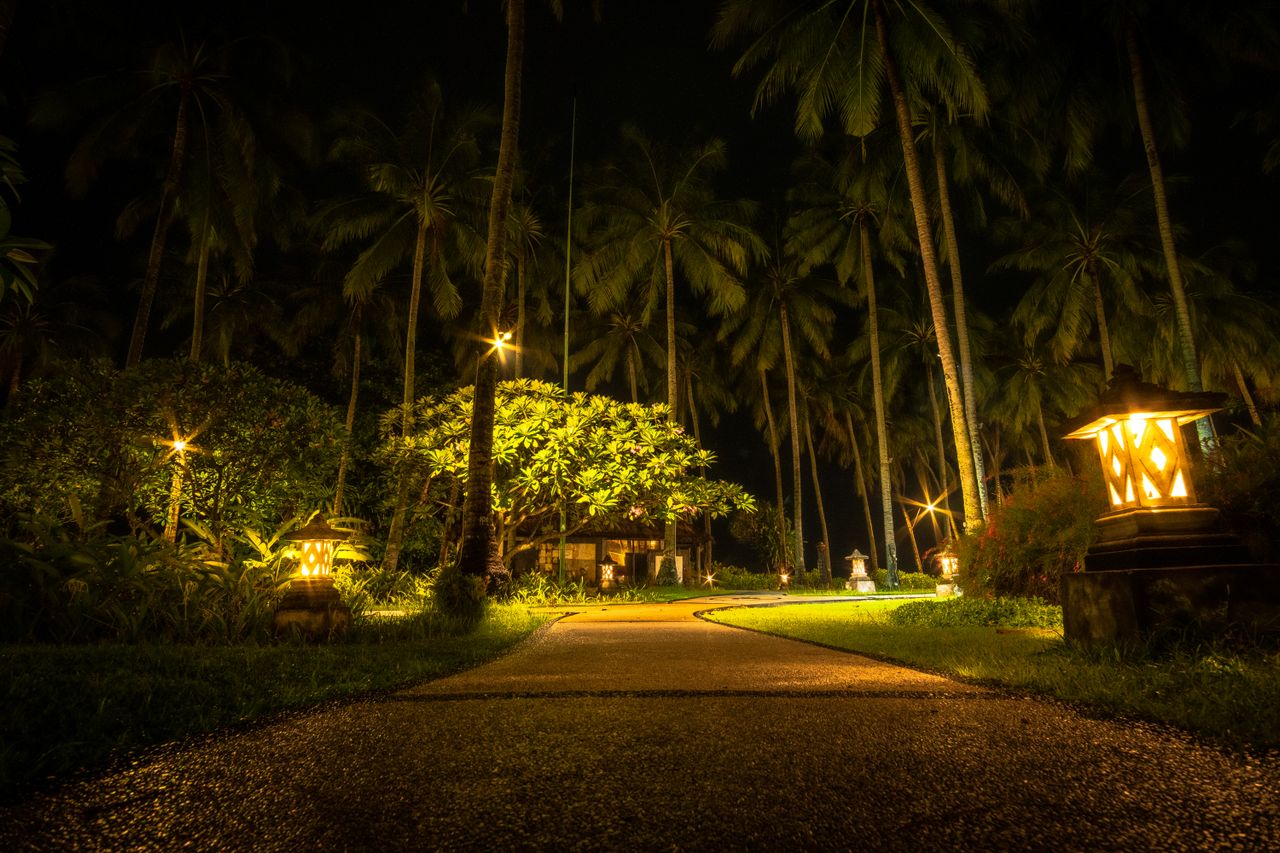
Outdoor lights add beauty to any yard and help people feel safer at night. But when summer hits, we usually forget how much energy those lights might be using, especially if they aren’t set for the season. Long days, high heat, and older setups can all play a part in higher power usage, even if everything looks like it’s working fine.
There are a few small signs to watch for that could mean your system is using more energy than it needs to. Spotting those early matters. If outdoor landscape lighting feels like it’s running too often or using too much power, it might be time to take a closer look. At All Star Landscaping, outdoor landscape lighting is one of the core services we provide for homes in Johns Creek and nearby North Atlanta communities, so we see how summer conditions affect real-world systems.
How to Tell If Your Lights Are Staying on Too Long
Summer days are naturally longer, which means your yard might not need the lights on for as many hours. But many systems just follow the same schedule all year unless someone updates them.
Some early clues that outdoor lights are running too long include:
- Timers are still set for winter hours, turning lights on far before sunset
- Lights stay on past dawn, even as natural light fills the yard
- Certain lights, like those along walkways or accenting trees, shine during daylight hours
A good way to check is by quietly walking outside around twilight. If the lighting comes on before things get dark, there may be a scheduling issue. It’s an easy thing to overlook, especially after a busy spring, but resetting those timers can help avoid wasting electricity all summer.
When Bulbs and Fixtures Are Using More Than They Should
The equipment you use can make a big difference too. Some homes still use lighting from years ago, and while it may still turn on, it might not be the best choice for summer energy savings.
A few common causes of energy waste include:
- Old-style bulbs, like halogen or incandescent, that draw more power than today’s LEDs
- Fixtures that have cracked, rusted, or faded after years in the Georgia heat
- Dirt, insects, or water getting inside the light and making the connection weak
Even something small like a bit of moisture inside the casing can cause the system to strain and pull extra power. And in Johns Creek, where summers stay hot and humid, those problems can sneak in fast without much notice.
Taking time to look at your bulbs and fixtures can be simple, but spotting which ones are drawing too much energy isn’t always clear. We recommend checking in with someone who handles lighting regularly to make sure nothing is being pushed too hard under the surface.
Hidden Wiring Problems That Can Waste Power
One of the most overlooked problems happens underground or behind bushes where wires run quietly from one light to the next. These can get damaged or broken without anyone realizing, especially after yard work or summer storm cleanup.
A few signs of trouble with the wiring include:
- Lights that flicker on and off or shine dimmer than usual
- Areas where the lights no longer work, even though you haven’t touched the settings
- Wires near mulch beds or lawn edges that get pulled, chewed, or cut
Even a slight cut or crack in the wiring jacket can allow water in or make the connection uneven. These small issues not only affect how the lights perform, but they can also cause strain on the whole system, leading it to use energy unevenly across zones.
Most of these problems build slowly, which can make them hard to spot. When energy bills seem higher or lighting isn’t consistent across the yard, something under the surface might be hurting your summer setup.
How Smart Timers and Sensors Help Save Energy
Once everything is working properly, small upgrades in lighting control can make a big impact. The more you can fine-tune when and where your lights run, the more you can hold back on unnecessary energy use during summer nights.
Some helpful tools to look into include:
- Motion sensors that turn lights on only when someone passes by
- Dusk-to-dawn sensors that follow the sky’s natural light instead of a fixed timer
- Smart timers or phone apps that help adjust lighting settings each week without going outside
Georgia days can change quickly, especially with storms blowing through or late summer shadows making parts of the yard darker. Flexible devices help lighting match what’s really happening outside instead of following just one schedule all summer long. This leaves lights running when you need them and off when you don’t. As a full-service landscaping provider, we often integrate these controls when we install or upgrade landscape lighting so systems stay easier to manage over time.
Lighten the Load and Brighten the Yard
Keeping your outdoor landscape lighting in good shape doesn’t have to be a big project. In fact, noticing small things, like lights that stay on during the day or bulbs that flicker without reason, can be the first sign of something pulling too much energy.
Making the switch to newer bulbs or updating how lights come on and off helps the system work better and last longer. And in Johns Creek, where hot days and long evenings shape the summer, small corrections go a long way toward keeping things neat and eco-friendly.
Smart lighting setups still give your yard the look you love, without dragging your electricity use higher than it needs to go. With a little attention paid to your lighting this season, you can enjoy summer nights while protecting the energy behind the scenes.
Noticing that your lights remain on too long or are using more power than expected may mean it’s time to evaluate your setup. In hot, humid places like Johns Creek, summer conditions can quickly wear on lighting systems. We inspect your fixtures, bulbs, and wiring to maintain peak efficiency. Our approach to outdoor landscape lighting focuses on keeping systems reliable and effective in real North Atlanta conditions, so contact All Star Landscaping to schedule your consultation.