
When it comes to winter bed prep, many homeowners in North Georgia reach for pine straw. It’s a familiar choice, easy to spread, and adds a natural look. But it’s not the only one. Mulch might actually do a better job at protecting gardens through the colder months.
With professional mulch installation, winter beds can stay healthier and more resilient from December through early spring. Cold snaps, rain, and shifting soil patterns all take a toll on garden spaces, so finding the right ground cover makes a difference. Mulch keeps things steady under the surface, and when applied the right way, it helps prepare beds for a strong growing season ahead. Our mulch, pine straw, and stone installation services are designed to provide weed suppression, moisture retention, decorative enhancement, and root protection so beds stay protected in every season.
Why Winter Beds Need Special Care
Around Johns Creek and surrounding parts of North Georgia, winter isn’t always a deep freeze. We see fluctuating temperatures, sudden cold spells, and regular rain. These shifts can be tough on plant roots and soil, especially for flower beds and garden areas close to the house.
Winter prep matters because without it, things can unravel fast. Soil left bare may wash away during heavy rains. Roots can get exposed to harsh air when the temperature drops quickly. Beds that look full in early fall can start to thin out by January if there’s not enough protection.
Covering the ground in winter helps with three things:
• Regulating soil temperature, especially near the surface
• Cutting down erosion from wind and water
• Holding moisture in the right places during dry days
Without some type of coverage, beds can dry out or get muddy and compacted. That’s where the right material makes a big difference.
Mulch vs. Pinestraw: What’s the Difference?
Pine straw and mulch are both popular choices, but they work a bit differently. Pine straw is lighter and tends to shift easily, which means wind or heavy rain might scatter it. It breaks down faster too, so it often needs to be refreshed more often.
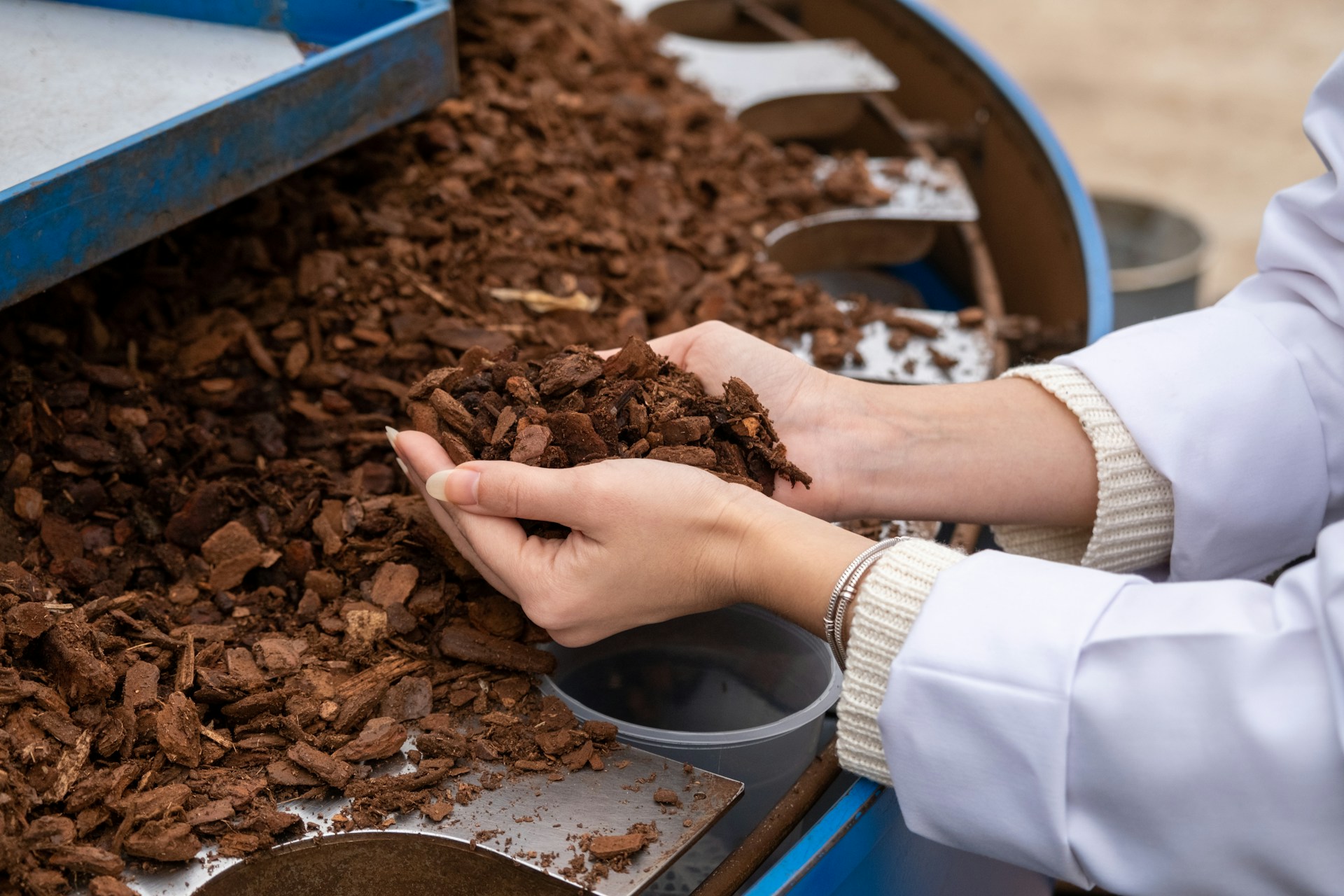
Mulch, on the other hand, tends to stay in place better and gives a fuller layer of protection. It comes in larger pieces, usually wood chips or shredded bark, so it doesn’t blow away as easily. It also breaks down more slowly, offering long-term benefits to the soil beneath it.
While pine straw can look neat and natural, mulch offers a thicker barrier, which is especially helpful when low temperatures arrive. For beds that need reliable protection through storms and frosty nights, mulch has the edge.
The Protective Power of Mulch in Cold Weather
Mulch isn’t just a good-looking cover. It’s part of what helps garden beds hold together during winter months. One of the biggest benefits is insulation. When mulch is spread thick enough, it helps trap warmth and shields delicate root zones from nighttime freeze damage.
Rain is another issue. In North Georgia, winter rain can be regular and heavy. Without something to hold the soil in place, it can erode and shift. Mulch helps by creating a stable surface that breaks the impact of rain and keeps moisture from pooling too quickly.
On those mild winter days when weeds try to creep in, mulch gives one more kind of protection. It darkens the surface and blocks sunlight from reaching seeds, which discourages early sprouting during warm streaks.
Here are a few key ways mulch helps during colder months:
• Shields roots from wide temperature swings
• Keeps soil from washing away in rainstorms
• Reduces how fast weeds grow during winter warm-ups
Why Professional Mulch Installation Makes a Difference
There’s more to mulch than just dumping it on the ground. Spreading it too thin won’t do much, and piling it too high around plants can trap moisture and cause damage. That’s why getting professional mulch installation can help set things up right from the start.
We prepare each bed first so nothing gets trapped beneath the mulch that could hurt the plants down the line. Leaves, old mulch, and compacted soil need to be handled before adding a new layer. Then comes depth, which depends on the type of mulch and the type of plants in the bed. Usually, about two to three inches gives the best results without smothering anything.
Here’s what professional help gets right:
• Setting and maintaining the correct mulch depth
• Keeping mulch away from plant stems and trunks to prevent rot
• Making sure moisture levels are right before covering the soil
When done right, this kind of prep pays off when spring growth begins. Plants come back stronger, and beds don’t need as much rework when things start to warm up.
Picking the Right Mulch for Your Yard
Not all mulch works the same way. What looks great in one yard might not fit another. That’s why it helps to match mulch type to a yard’s design and layout. Hardwood mulch is a good choice during cold months because it stays in place well and breaks down slowly. Dyed mulch, especially darker blends like brown or black, can even help by soaking up sunlight and warming soil slightly during daylight hours.
When choosing winter mulch, it helps to think about how the beds are arranged:
• For large garden areas, shredded hardwood gives broad cover and breaks down over time to feed the soil
• Smaller decorative beds might benefit from dyed mulch for a finished look and steady performance
• Mulch around trees or shrubs should be kept a few inches away from trunks to prevent moisture issues
Picking the right type sets winter beds up for months of protection without constant rehabbing or cleanup.
Keep Winter Beds Strong All Season Long
A good mulch layer does more than clean up the look of a garden bed. It acts like a shield, holding in moisture, blocking out weeds, and helping roots survive the cold. Throughout the ups and downs of winter weather, mulch gives beds a better chance to stay balanced and ready for spring.
We rely on professional mulch installation to give winter beds in Johns Creek, Alpharetta, and nearby areas the kind of start that lasts. Done right, it’s not just a seasonal cover. It’s a way to improve plant health, protect soil, and keep outdoor spaces looking cared for, even during the quietest time of year. Our work with premium mulch, pine straw, and stone materials helps keep landscapes healthy and attractive across North Atlanta’s suburbs.
Get your garden ready for winter by choosing professional mulch installation from our team at All Star Landscaping. We use trusted materials and proven techniques to guard your beds against harsh rain, eroding soil, and shallow rooting. Serving homeowners across North Georgia, including Johns Creek and Alpharetta, we are committed to keeping your landscape healthy and secure. Contact us today to schedule your seasonal prep.