With winter nearly upon us here in Johns Creek, it’s time to get our homes ready for the dropping temperatures. One key area many homeowners tend to overlook is their irrigation system. Properly preparing your irrigation system now can help you avoid costly repairs down the line. We’ll take a look at important checks and steps to get your irrigation system winter-ready, making sure our lawns stay protected during the cold months.
Winter in Johns Creek often arrives with more than just cooler air. The approach of the season signals a need for preparation, organization, and timely action for every component that keeps your home running well, including your outdoor watering system. Failing to prepare can mean facing a mess of repairs, unexpected expenses, and disappointment when spring arrives. Many homeowners are surprised by how quickly a healthy yard can be undone by frozen pipes, water leaks, or broken sprinkler heads that went unnoticed during the colder months. A little planning now goes a long way toward saving you time, money, and hassle when the weather warms up again.
Understanding the Johns Creek Winter Climate
Winter in Johns Creek brings its share of chilly days and sometimes freezing nights. While we might not have to deal with harsh blizzards, temperatures can still dip low enough to impact our irrigation systems. Freezing water can wreak havoc on pipes and sprinklers, leading to unnecessary damage and repairs. Being proactive about winterizing these systems can save time and hassle. It’s important to recognize how our local climate can affect our systems and why we should make winter preparations part of our routine care.
In this region, the weather can shift unpredictably. One day might be mild and pleasant, while the next features a sudden cold snap. Just one day of freezing temperatures can freeze standing water left in irrigation lines, causing them to crack or split. Even if your parts seem sturdy, their exposure to swift changes in temperature makes them vulnerable to damage. Homeowners who have experienced burst pipes or flooded gardens know firsthand how disruptive and costly these incidents can be.
Key Steps for Winterizing Your Irrigation System
Getting your irrigation system ready for winter doesn’t have to be complicated, but it does require some basic steps. Here is how we can get started:
1. Drain the System: Shut off the water supply and drain all excess water from the lines. This prevents water from freezing and causing pipes to burst.
2. Insulate Exposed Parts: Wrap any exposed pipes or backflow preventers with insulation materials. This adds a layer of protection against temperature shocks.
3. Timer Adjustments: Set your irrigation timer appropriately. If your system is manual, make sure it’s turned off for the season. For those with automatic systems, adjusting the timer can prevent unwanted watering and freeze risks.
By giving attention to these tasks, we can keep our irrigation systems safe as temperatures start to drop.
In addition to draining and insulating, homeowners may need to consider covering control boxes and valves if they are above ground. Sometimes, simple foam covers or insulation tape can be enough to ward off problems. Remember to visually inspect each zone of your irrigation system to confirm that water has been removed from every area, not just the main line or visible spigots. For systems that are older, it can be helpful to make a checklist or diagram so nothing is missed.
Signs Your Irrigation System Needs Repair
Wintertime can actually expose existing issues in an irrigation system. So, how do we know if our system needs a little extra help?
• Leaks: Before winter sets in, check for leaks in hoses and pipes. Water pooling in areas is a good indicator that something isn’t quite right.
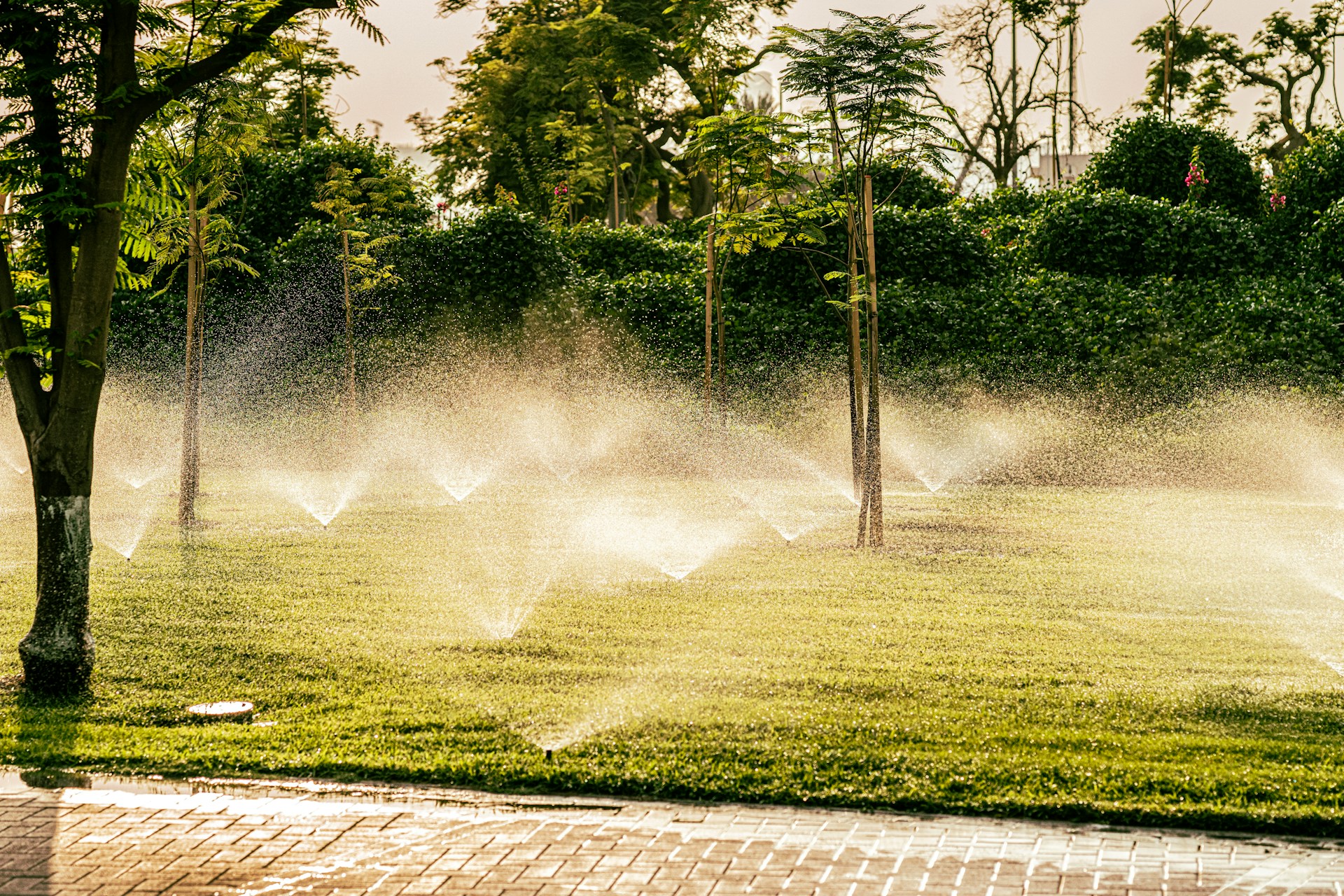
• Faulty Sprinkler Heads: Examine sprinkler heads for damage. Many times, worn-out parts work less efficiently, leaving areas of your lawn either too dry or waterlogged.
• Uneven Watering Patterns: Notice any patches of lawn that seem over or underwatered? This suggests potential blockages or valve issues.
The most common issues to look for are leaks, which can show up as soggy spots along your irrigation lines or reduced water pressure in some areas. Sprinkler heads that stick up, get clogged, or don’t move as they should may need to be cleaned, straightened, or replaced. Sometimes, leaks occur at connection points where pipes join valves or sprinkler heads, especially after a year of regular use. Uneven watering can create brown or yellow patches in your grass, and it often points to blocked nozzles or failing valves. Small issues now can become worse during freezing weather, so take time to inspect every part you can reach. If you’re unsure, it’s a good idea to keep records of where you find trouble spots so you can monitor them over time.
Routine maintenance checks can spot these problems early, saving headaches when the system reactivates in spring. Professional inspection is well worth considering as it can identify and fix issues you may miss.
Another sign that your system needs attention is pooling water around valve boxes or along sidewalks. This may mean a broken connector or underground leak that should be addressed before winter. Take note of areas where grass stays greener or muddier than the rest of the yard, as this could be an indicator of inconsistent flow or a pipe failing underground. Listen for hissing or bubbling sounds in quiet conditions, which might reveal a leak even when nothing is visible on the surface. Regularly scheduled inspections before and after the cold season help make sure your equipment operates efficiently and safely.
Benefits of Professional Winterization
Sometimes, the best way to protect our irrigation systems is to call in the experts. Professional staff can identify and address issues before freezing temperatures cause major damage. With their help, systems are less likely to break and lawns stay healthier. Plus, when spring rolls around, you’ll have less to worry about. Professional services mean we can focus on other tasks, knowing our irrigation is in good hands.
All Star Landscaping specializes in both irrigation installation and repair, offering customers in Johns Creek support from experienced crews who handle sprinkler system inspections, leak detection, and necessary repairs. We use high-quality products to make sure your irrigation system remains reliable, including Rain Bird and Hunter components built to last through local seasonal changes.
Many people choose professional help when they encounter stubborn leaks, outdated equipment, or unclear problems in their irrigation system. Trained technicians have the skill to find even hidden leaks or components that might not be obvious during a quick check. They also have the proper tools to blow out lines safely without damaging pipes or valves, which is especially important during winterization. Trusting the winter preparation process to specialist crews improves your chances of having a hassle-free start in spring, as any issues discovered can be handled rapidly.
Professionals can also give clear advice about when it’s safe to restore service in the spring and what to look for as the system comes back online. This expertise can be reassuring to anyone who wants to protect their property and avoid the headache of repeated repairs or missed warning signs.
Peace of Mind for Johns Creek Homeowners
As winter approaches, keeping our irrigation systems working properly can offer peace of mind. By preparing early, we avoid unnecessary stress and expenses associated with freezing damage. With some attention and care, our irrigated yards will be in top shape when the chill of winter gives way to the warmth of spring. Taking care of these tasks helps us feel more ready for the cold season, keeping lawns lush and systems intact.
Homeowners in Johns Creek often find that a bit of prevention now means fewer repairs and less frustration when warm weather returns. Each step in winterization, from draining lines to wrapping exposed parts, plays a key role in deciding how well your yard rebounds in spring. With consistent care, yards stay healthy even through up-and-down temperatures, while irrigation systems remain reliable for years to come.
Checking your irrigation setup throughout the winter, not just at the start, makes sure nothing is missed. As temperatures fluctuate and seasonal debris gathers around spray heads or control boxes, it’s smart to remove dirt, leaves, or ice that build up. By watching how your yard responds to cold spells and wet periods, you keep ahead of surprises that may arise with little warning.
Keeping your irrigation system in top shape during the winter is key to avoiding issues when temperatures rise again. At All Star Landscaping, we believe that attention to detail now can prevent problems later on. Noticing signs of wear or damage means it’s time for irrigation repair in Johns Creek. Our professionals are ready to help make sure your yard stays beautiful year-round, so reach out to us for reliable and thorough service this season.