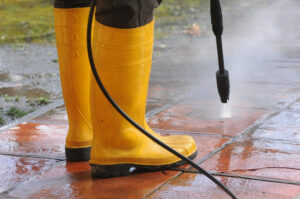
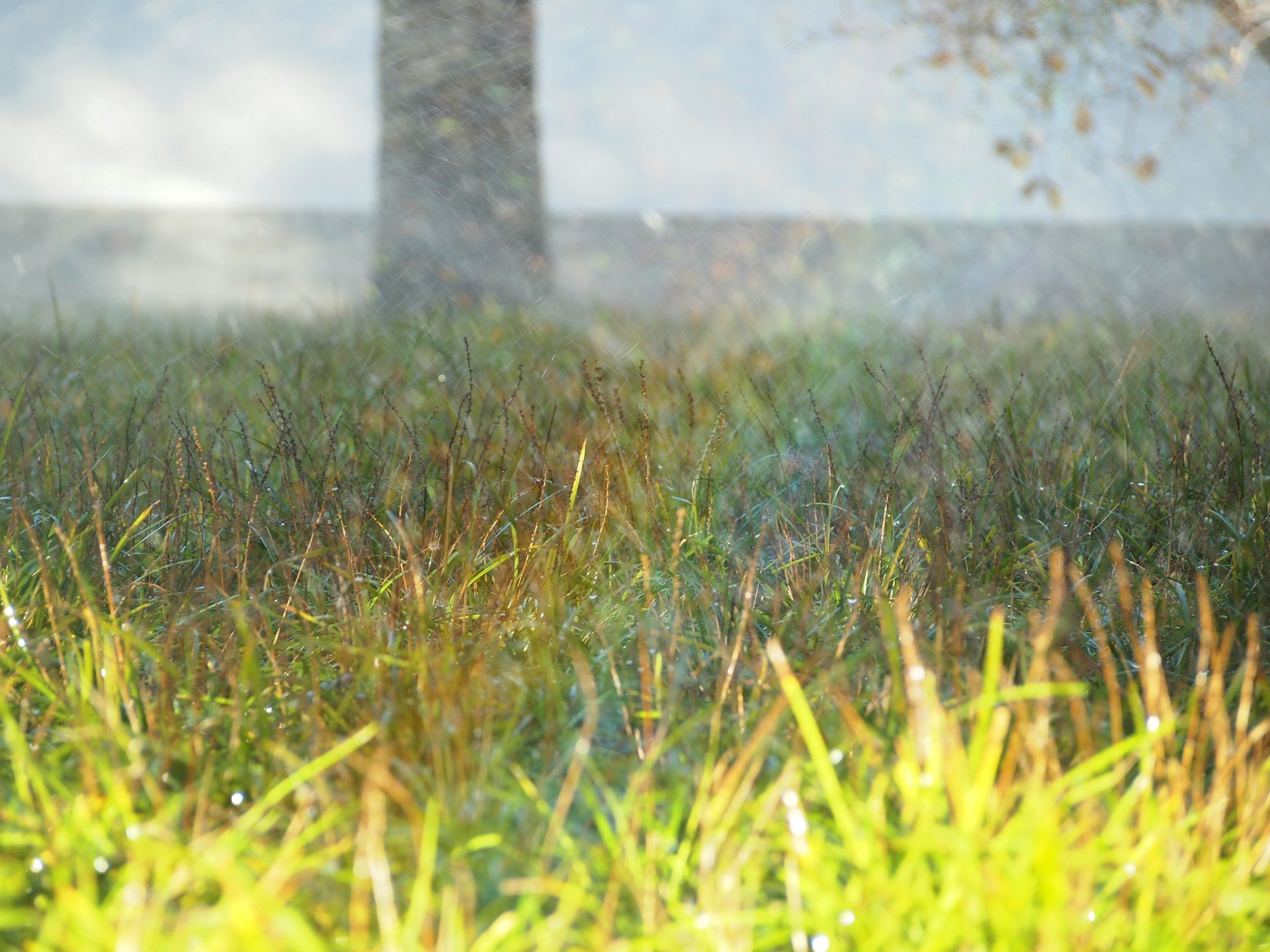
An irrigation system makes lawn care easier by helping water your grass on a set schedule, even when you’re busy. It keeps things green without the hassle of dragging out the hose all spring and summer. But when something goes wrong, it doesn’t always show right away. Small underground leaks or broken sprinkler heads can hide out for weeks, slowly damaging your yard or wasting water without being noticed.
Spring is a smart time to check on your system. The weather is warming up, and your lawn is starting to grow again. Catching a problem early with help from professional irrigation repair services can make all the difference. It is the best way to avoid soggy patches or dry spots as you head into the longer growing season. Problems left alone tend to get worse, not better. Our irrigation installation and repair services are designed to conserve water through proper installation and circulation while using quality products that support plant health.
Signs Something Might Be Wrong
When an irrigation system stops working the way it should, your lawn usually tries to tell you. Some changes on the surface can give clues about what’s happening underground.
Here are a few things to keep an eye out for:
- Wet, soggy areas that don’t seem to dry, even days after watering
- Patches of grass that are yellowing or dried out while other areas look just fine
- Puddles forming in certain spots, especially near sprinkler heads
- Low water pressure, weak spray, or uneven coverage across zones
- Higher water bills even though your watering schedule hasn’t changed
All these signs can hint at different types of issues. Maybe a sprinkler head is cracked. There could be a pipe leaking underground. Sometimes, a zone just isn’t turning on when it should. The clues may not always be clear, but noticing them early can stop more serious damage before it starts.
Checking Sprinkler Heads and Zones
A good first step is to turn on each irrigation zone one at a time. This helps narrow down where something might be off. It’s easier to spot strange behavior when you’re looking at just one section at a time, rather than the whole yard at once.
As you inspect each zone, look for issues like these:
- Sprinkler heads that don’t rise all the way or spray off to one side
- Heads that leak or drip water when turned off
- Water shooting straight up or not spraying at all
- Dirty, clogged heads that slow down the spray pattern
Heads that look damaged or out of place can point to a bigger leak lower in the line. These small signs are often how irrigation repair services find the root of the problem. Even if it starts with just one sprinkler, it can lead to larger issues if ignored. Over time, unchecked leaks can shift your soil, damage healthy turf, or create standing water that becomes a breeding ground for bugs.
Looking for Underground Pipe Leaks
Not every leak shows up at the surface. In some cases, the problem is hidden under the grass or along the edge of your driveway. These are harder to find, but there are still signs to look for.
Here’s what can signal an underground pipe leak:
- Bubbly water coming up through the grass during a watering cycle
- A narrow, muddy strip that doesn’t match the rest of the lawn
- Cracks in sidewalks or driveways where lines might run underneath
- Sections of the yard that feel soft, sunken, or spongy when you walk through
Walking around the area slowly and gently pressing on the ground can help you notice changes more easily. If the grass feels different underfoot in one spot, something may not be right beneath it. These leaks are often slow at first, but they can wash away surrounding soil over time. That kind of shifting can damage more than just your yard, it can even reach nearby structures if it goes unchecked.
Since pipe leaks can be hard to spot, they are something we usually recommend handing off to someone with the right gear. Digging up the yard or cutting into lines without knowing just where the problem is can do more harm than good.
When to Call for Help
There’s a difference between a sprinkler head that’s misaligned and a deeper leak hidden underground. If anything you see feels like more than a quick fix, it’s a good time to reach out to professional irrigation repair services. The longer leaks are left alone, the more they spread, and spring is the best time to catch them before summer heat makes watering even more important.
Getting an inspection now makes it easier to spot lingering winter damage too. Frozen soil, tree roots, or shifting ground can cause cracks you may not notice right away. These problems don’t always show up as full-on floods. Sometimes, they just show as poor performance that slowly gets worse each week.
By acting now, you’re giving your lawn a better start for the months ahead. Fixing small issues today can help prevent bigger ones later, which means less lawn damage, fewer repairs, and healthier turf when it matters most.
Stay Ahead of Lawn Trouble This Spring
Small leaks don’t always look like much at first. But over time, they waste water, damage grass, and create repair headaches we would all rather avoid. The good news is that most of these problems show hints early on if we are paying close attention.
Spring is the right season to catch them before the heat of summer pushes your system to work harder. Watching for soggy spots, strange sprinkler behavior, or higher bills can help you stay one step ahead. Taking time now to check in on each part of the system gives your yard the best shot at growing strong and green with fewer surprises along the way.
When your system shows signs of leaking or uneven watering, now is the time to act before spring is fully underway. In Johns Creek, Georgia, shifting soil and early heat can quickly expose hidden damage, so addressing small issues early can prevent larger problems from developing. At All Star Scapes, we recommend professional support through our reliable irrigation repair services to keep your lawn healthy and your system running smoothly. Contact us today to schedule a checkup.