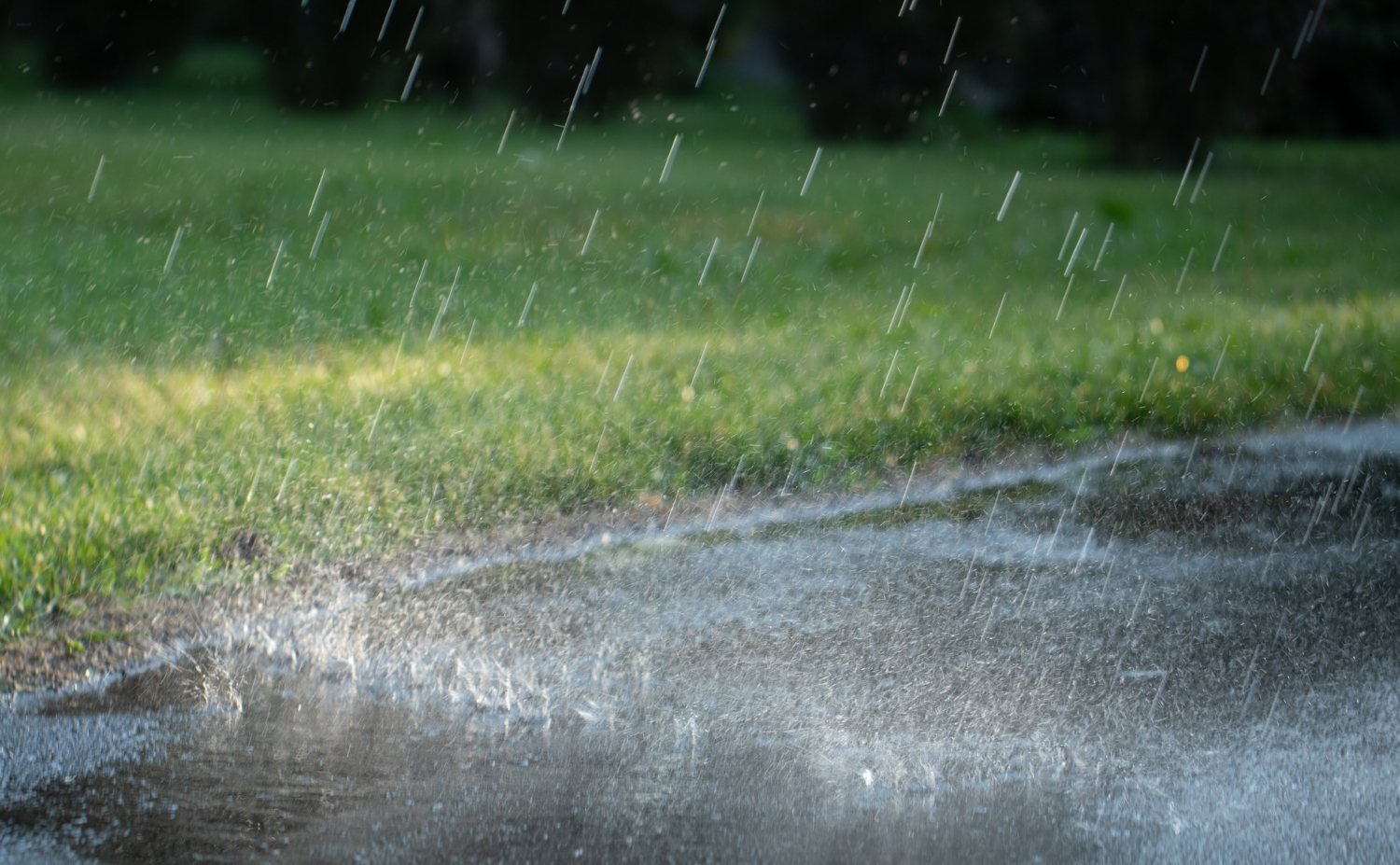
Late summer in Alpharetta often brings heavy afternoon rain. The showers cool things down but do not always do your lawn any favors. Too much water sitting in the wrong spots can start to take its toll.
One of the biggest problems we see in August is patchy, thinning grass. It usually does not start that way. A lawn might look healthy in the spring, then suddenly show signs of stress by the end of summer. Poor drainage almost always causes it. It can kill off healthy patches of grass, and it makes it tough for new grass to grow back.
We have worked with many homeowners who did not realize how much damage water could do until bare spots kept showing up. That is where a reliable lawn service in Alpharetta makes a difference. Spotting the signs early and getting ahead of the issue keeps lawns looking strong into fall.
Why Water Buildup Leaves Bare Spots
When water sits for too long, grass cannot breathe. The roots need both moisture and oxygen to survive. If the soil stays wet for days at a time, the roots start to rot, which leaves weak, damaged patches throughout the yard.
The issue gets worse in lower areas where water naturally collects. Those spots stay saturated every time it rains, making it hard for grass to recover. Even when it dries out, the soil can remain dense or uneven.
Here are some of the most common ways water buildup leads to dead or thinning turf:
- Standing water cuts off oxygen to the roots and leads to decay
- Runoff can wash away topsoil, especially on sloped lawns
- Constantly wet ground is more likely to get compacted, especially if people or pets walk over it
With so much stress on the grass, it is not surprising when those areas eventually go bare. The longer the water sits, the tougher it is for new grass to take hold.
What Poor Drainage Looks Like on Your Lawn
Most of the time, we can see signs of poor drainage just by walking the yard, especially after a strong rain. It is not always dramatic right away. But over time, patterns develop that are hard to miss. Areas that stay wet the longest usually come back thinner after each rainstorm.
Look out for these signs:
- Large brown or yellow patches that do not bounce back with sunlight
- Spots that feel soggy or soft long after other areas have dried
- Grass that seems to settle lower than the rest of the yard, with thin coverage
These symptoms can start small but spread quickly, especially if it rains every few days. In yards with complex slopes or mixed grading, it does not take long for one patch to reveal deeper drainage issues.
What Causes Drainage Problems in Alpharetta Yards
We see drainage issues across all kinds of properties in Alpharetta. The soil itself is a big part of the problem. North Georgia has high amounts of clay, which does not absorb water very well. After a hard rain, this dense soil can hold on to moisture too long, stopping grass roots from getting the airflow they need.
Other common causes include:
- Improper grading that sends water toward the middle of the lawn instead of away
- Gutters or downspouts that release water directly into grassy areas
- Driveways and patios that funnel runoff into the yard during storms
When all that water has nowhere to go, it sinks low and stays put. Even perfectly healthy grass cannot compete with that much moisture. Over time, these spots become more compacted, more stressed, and more likely to go bare after every storm.
How a Lawn Service in Alpharetta Can Help
Trying to fix these problems yourself is not always easy. It takes more than just filling in holes or tossing on new seed. Drainage problems usually affect wider areas and need to be studied from the ground up. When we work with clients in Alpharetta, we take time to understand how water moves across the entire yard. Our grading and drainage solutions are designed to redirect stormwater away from low spots and foundations so lawns can recover and stay healthier.
Here is how professional help makes a difference:
- We know where to look for hidden pooling or poor water flow
- Techniques like core aeration or topdressing can help relieve compacted soils
- Larger changes, such as shifting soil grades or adding drains, prevent future damage
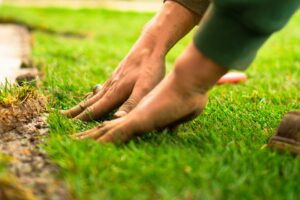
Fixing surface problems is just the beginning. We look at the full picture, which often includes checking slopes, redirecting runoff, and improving how the ground absorbs rain. That approach gives your lawn a much better chance to stay strong into the next season. When necessary, we can also combine drainage improvements with sod installation so thin or damaged areas come back fuller and more even.
Help Your Lawn Stay Full and Green Through Fall
Late summer is the perfect time to fix drainage problems. If there are soggy or bare spots now, chances are they will be even worse by the time colder weather sets in. Waiting too long often means lost progress and extra work when it is time to overseed or fertilize.
By catching the issue now, your grass has a better shot at filling in and staying thick through the fall. Good water flow helps roots stay healthy, which means they can hold strong during the cooler months. Healthy roots in late summer set the stage for fuller, greener grass next spring.
If your lawn is not drying out the way it should or new bare spots are starting to show up, it is worth looking into what is going on beneath the surface. A solid fix now will help keep your yard in great shape when the seasons change.
Notice thin or bare patches after heavy summer storms? It might be time to check how well your yard handles water. We have helped many homeowners in Alpharetta understand where drainage is falling short and what that means for long-term grass growth. A proper fix often begins with exploring the root cause, whether it is grading, runoff, or compacted soil. When you are searching for a trusted lawn service in Alpharetta, All Star Landscaping is ready to help. Give us a call to discuss what is happening in your yard and the next steps we can take together.