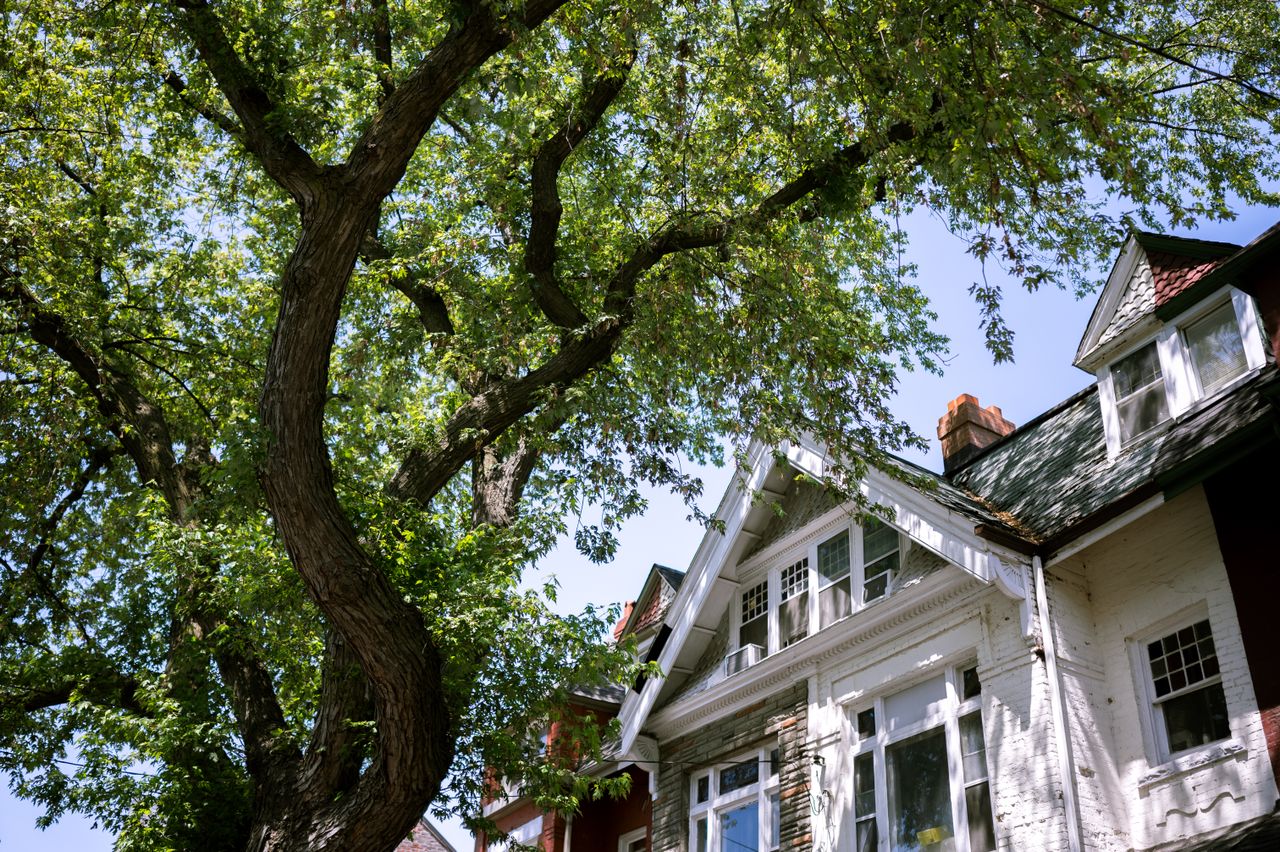
Smart Tree Management Around Patios, Driveways, and Walls
Healthy trees and beautiful hardscapes can absolutely live side by side, but it does not happen by accident. Without a plan, roots and overgrown branches can crack patios, push pavers out of place, and slowly damage driveways, retaining walls, and walkways. That damage is expensive to fix and often shows up years after the tree was planted, which is why smart tree management is so important.
At All Star Landscaping, we work in Johns Creek, Alpharetta, and nearby North Georgia communities where tree growth is vigorous and outdoor living spaces are a big part of daily life. We understand how local tree species behave near concrete, stone, and paver installations, and how to protect both the trees and the structures around them. In this article, we will walk through how tree roots and branches cause problems, how to plan planting locations, what maintenance helps, and when professional help, including tree removal in Johns Creek, might be the safest choice.
How Tree Roots and Branches Damage Hardscapes
Tree roots are always searching for water, air, and nutrients, and they tend to follow the path of least resistance. In yards, that often means they grow under patios, walkways, and driveways where the soil was disturbed during construction. As roots thicken, they can lift concrete slabs and pavers, cause uneven steps, and push against the base of retaining walls. In some cases, roots even work into small gaps in irrigation lines or drainage pipes, which leads to clogs and leaks.
Around pools and outdoor kitchens, roots that were harmless when the tree was young can become a serious threat as they gain size. A root that presses against a pool deck or wall for years can eventually cause cracks or shifting. Near foundations, spreading roots may not always break concrete, but they can change how moisture moves in the soil, which can contribute to settling or heaving in the surrounding area.
Above-ground, branches create their own set of problems. Low limbs over patios and driveways can scrape roofs, pergolas, or car paint during windy weather. Dense branches can block outdoor lighting, security cameras, or solar fixtures, leaving dark, unsafe areas. Heavy overhanging limbs also drop more leaves, acorns, and twigs on your hardscapes, which can clog drains and increase the risk of slippery surfaces when it rains.
Some popular North Georgia trees are simply more aggressive than others. Species like maples, willows, sweetgums, and some oaks often develop wide, strong root systems that like to sit near the surface, especially in compacted soils. Other trees have more compact growth habits or slower root expansion, which makes them easier to live with near patios and walls. Understanding these differences up front is one of the best ways to avoid future damage.
Choosing the Right Trees and Planting Locations
A smart tree plan starts with the question: how big will this tree be at maturity? Every species has a typical height and root spread, and that should guide how close it can safely be planted to hardscapes and structures.
General guidelines many property owners follow include:
- Keep large shade trees well away from foundations, driveways, and retaining walls
- Give medium-sized trees enough room for roots to spread without reaching patios or walkways
- Place smaller ornamentals closer to outdoor living areas where roots are usually less disruptive
- Avoid planting fast-growing, water-loving species near irrigation lines or drainage systems
For patios and seating areas in Johns Creek and Alpharetta, smaller ornamental trees are often a good fit. Dogwoods, redbuds, some smaller crepe myrtles, and other compact species tend to have less aggressive root systems and can provide shade and interest without overwhelming the space. Slower-growing trees can also be a smart choice, because their root systems expand at a more manageable pace.
Good placement is about more than just distance from concrete. You also want to think about:
- Sun patterns and desired shade
- Wind direction and how falling limbs might land
- Sightlines from windows, driveways, and the street
- Existing irrigation and drainage routes
Working with a landscape designer who understands both plant behavior and structural needs helps you avoid guesswork. At All Star Landscaping, we look at the whole property, including hardscapes, lighting, sod, and irrigation, then recommend tree locations that support long-term stability and curb appeal.
Pruning, Root Management, and Ongoing Maintenance
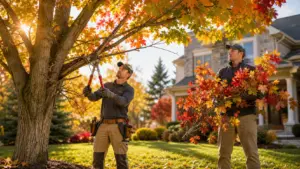
Even with good planning, trees still need regular care to stay safe around patios, walkways, and driveways. Pruning is one of the most effective tools. By removing low or crossing branches, we maintain proper clearance over paths and parking areas and reduce the risk of limbs breaking over roofs, pergolas, or walls. Thinning dense canopies can also help outdoor lighting work better and cut down on debris buildup in gutters and surface drains.
Below the surface, root management becomes important as trees mature. In some situations, root pruning can help redirect growth away from a hardscape, though it must be done carefully to avoid destabilizing the tree. Root barriers can be installed between a tree and nearby structures to encourage roots to grow deeper or in a different direction, rather than up toward pavers or concrete slabs.
Soil improvements are another piece of the puzzle. When soil is compacted and low in organic matter, roots tend to spread near the surface where they can cause more lifting and cracking. By improving soil structure and drainage in the right areas, we can encourage deeper root growth that is less likely to disturb patios and sidewalks.
In North Georgia, seasonal maintenance schedules help keep everything on track. Many property owners find it helpful to:
- Inspect trees and hardscapes at least once a year for lifting, cracking, or leaning
- Trim branches seasonally to maintain safe clearances and protect lighting and irrigation fixtures
- Clean drains, gutters, and low spots after heavy leaf drop or storms
- Combine pruning visits with broader landscape maintenance for efficiency
Because All Star Landscaping is a full-service company, we can coordinate pruning, root care, irrigation checks, and hardscape maintenance so that small issues are caught early, before they turn into major repairs.
When to Consider Professional Tree Removal Near Hardscapes
Sometimes the safest and most cost-effective solution is to remove a problem tree and start fresh. Tree removal in Johns Creek is worth evaluating when you see clear warning signs around your outdoor spaces.
Common red flags include:
- Pavers, slabs, or curbs that keep lifting even after repairs
- Repeated root intrusion into irrigation or drainage lines
- A tree that is visibly leaning toward a patio, driveway, or structure
- Large surface roots that are creating trip hazards in high-traffic areas
- Signs of disease or extensive decay in the trunk or major limbs
Delaying action can increase both the cost and the risk. Uneven hardscapes become trip hazards, especially around steps and entryways. Retaining walls under pressure from roots may start to bulge or crack, eventually failing and causing soil movement or erosion. Cracked concrete can let water in, leading to further damage during freeze-thaw cycles. Near driveways and parking areas, heavy limbs over vehicles are a concern during thunderstorms and high winds.
A professional assessment looks at both the tree and what is around it. We consider tree health, structural stability, proximity to buildings and hardscapes, and the likelihood that roots or branches will continue to cause damage. When removal is recommended, careful takedown, stump grinding, and thoughtful replanting can restore both safety and appearance. Often, replacing an overgrown or poorly located tree with a more suitable species in a better spot gives you the shade and beauty you want without constant worry about damage.
Partner with Local Experts to Protect Trees and Hardscapes
Smart tree management around patios, driveways, and walls is not just about reacting when something cracks or shifts. It is about planning ahead, watching for early signs of trouble, and choosing the right combination of pruning, root management, and, when needed, removal and redesign. When trees and hardscapes are planned together, your outdoor spaces look better, function better, and tend to cost less to maintain over time.
At All Star Landscaping, we bring together design, installation, and maintenance for trees, hardscapes, lighting, sod, irrigation, and more across Johns Creek, Alpharetta, and surrounding North Georgia communities. Whether you need help evaluating an existing tree near your patio, setting up a pruning and maintenance routine, addressing damaged pavers or walls, or deciding if tree removal in Johns Creek is the right move, working with a local team that understands both the plants and the structures around them can keep your property safe, attractive, and enjoyable for years to come.
Get Started With Your Project Today
If you are ready to make your property safer and healthier, our team is here to help with expert tree removal in Johns Creek. At All Star Landscaping, we assess your trees, explain your options, and complete the work with safety and care as our top priorities. Reach out today through our contact page so we can schedule an on-site evaluation and get your project on the calendar.