Make Your Ground Cover Work Harder for Your Landscape
The right ground cover does a lot more than fill empty space in your beds. It can boost curb appeal, protect plant roots, hold moisture in the soil, and help keep weeds from taking over. When ground cover is chosen well, your yard looks cleaner and is easier to maintain week after week.
In North Georgia, mulch and pine straw are the two most common options for both homes and commercial properties. Each has its own look, cost, and performance, and the best choice depends on your soil, slopes, and style preferences. In this article, we will walk through what mulch and pine straw actually do, how they compare, and how to decide which one is right for your yard in Johns Creek, Alpharetta, and nearby communities. We will also explain how professional mulch installation can help that choice work better from day one.
What Mulch Really Does for Your Plants and Soil
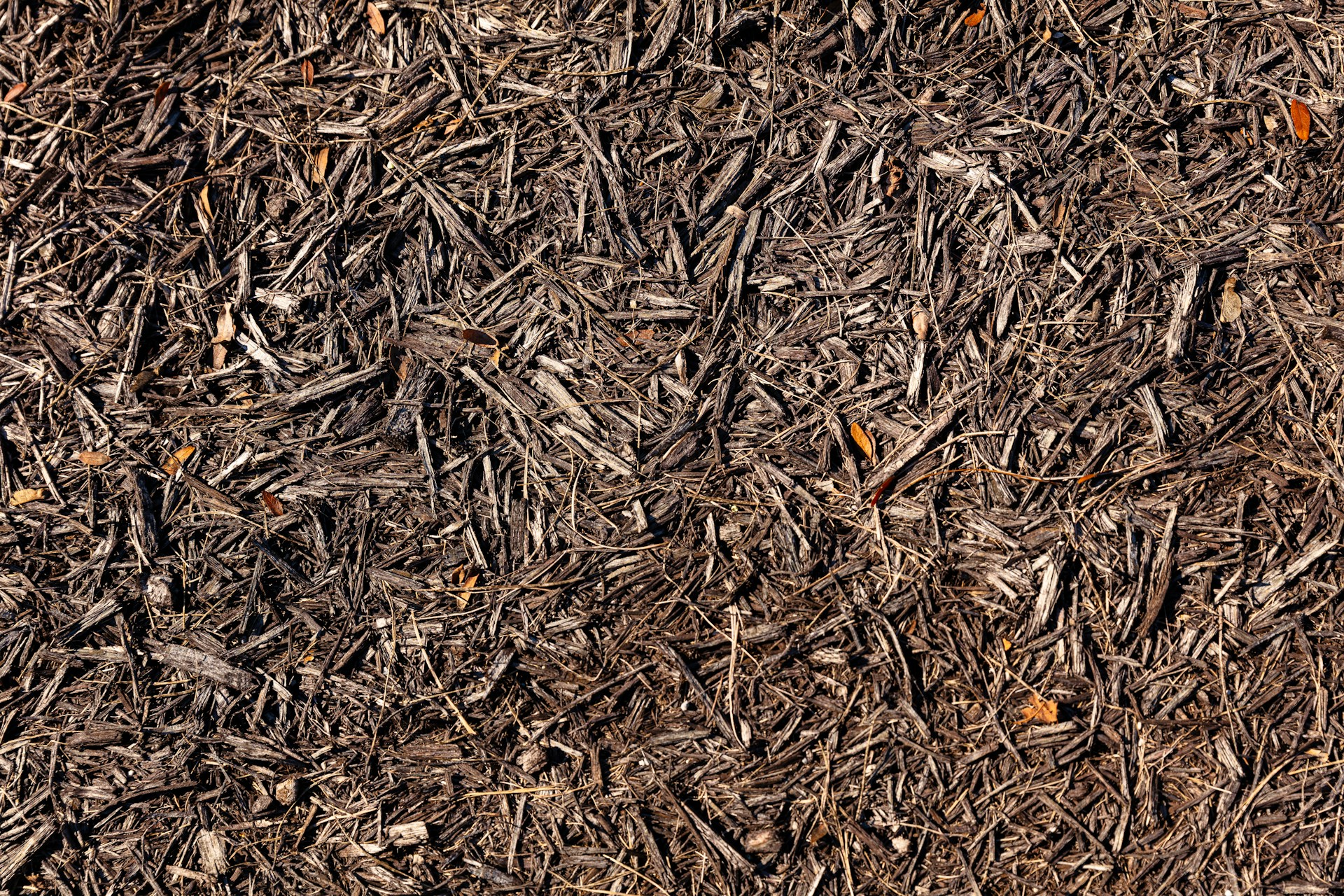
Mulch is any material spread over the soil surface around plants. In North Georgia beds, the most common options are organic mulches made from wood. Hardwood mulch has a natural brown color and a shredded texture that knits together nicely. Dyed mulch, often in black, brown, or red tones, offers a stronger color contrast against grass and concrete. Bark nuggets have a chunkier look that stands out in larger beds and around trees.
Whichever style you choose, mulch delivers several practical benefits.
- It helps the soil hold moisture so plants do not dry out as quickly between waterings.
- It creates a barrier on the soil surface that makes it harder for weed seeds to sprout.
- Mulch also insulates plant roots, which is especially helpful during temperature swings that are common in North Georgia.
- By covering bare soil, it helps reduce erosion during heavy rains and, as organic mulch breaks down over time, it can gradually improve soil structure.
Mulch also plays a big role in the look of your property. Color and texture can either blend quietly into the background or make beds pop. Deep brown mulch often pairs well with brick and stone homes, while black mulch can create a crisp, modern contrast around flower beds and commercial entrances. The right choice can help tie together your lawn, hardscapes, and foundation plantings.
To keep mulch working, it needs a bit of maintenance. Most beds do best with a finished depth of about 2 to 3 inches. Less than that and weeds sneak through; too much and plant roots can struggle. Over time, mulch fades and breaks down into finer pieces. When you start to see a lot of decomposed material or bare spots, that is a sign it is time to refresh. Poor installation, such as piling mulch high against tree trunks or the siding of your home, can lead to rot, pest issues, or stressed plants, which is why having it spread correctly is so important.
Why So Many North Georgia Yards Use Pine Straw
Pine straw is made from fallen pine needles that are raked, baled, and spread over planting beds. In North Georgia, it is widely available and has become a favorite for large areas, natural spaces, and properties with a lot of slope. Because it is lightweight and comes in bales, pine straw is relatively simple to carry into tight or hilly spaces where heavier materials can be a challenge.
Functionally, pine straw does many of the same jobs as mulch. It helps limit erosion, especially on hills, where its interlocking needles cling to the soil surface. It keeps moisture in the soil and provides some insulation to plant roots. Since it is light, it is easier to top-dress existing beds or refresh thin areas without disturbing plantings.
Visually, pine straw has a warm, natural color that fits well with Southern architecture, evergreens, and more wooded or informal plantings. It can soften the edges around shrubs and trees and works especially well when you are trying to blend a maintained yard into a more natural tree line.
Pine straw does need regular upkeep. Freshly spread straw has a bright, clean look, but it fades to a softer gray-brown over time. Wind and foot traffic can move it around or thin it out, especially near driveways and sidewalks. Most properties need it replenished at least once a year, sometimes more in exposed or high-traffic areas. On very windy sites or places that see frequent mowing near the edges, keeping a neat edge can take extra attention.
Mulch vs. Pine Straw: How to Choose for Your Yard
So which ground cover should you pick for your beds? It helps to think about how each material performs in specific spots. For high-visibility front beds, around entryways, or along commercial walks, many owners prefer mulch for its crisp look and color choices. Around trees and shrubs, both options work, but mulch is often favored where you want a more polished, finished appearance. On long slopes or large natural areas, pine straw usually wins because it is lighter, easier to spread, and naturally good at staying in place on hills.
Local soil and climate also play a role. In Johns Creek, Alpharetta, and surrounding North Georgia, we deal with a lot of clay soil, significant rain events, and heat. Mulch is excellent for improving the top layer of heavy soil over time as it breaks down, and its weight helps it stay put in strong storms. Pine straw sheds water well and is very good at controlling surface erosion on steep grades, which can be useful if your yard drops off quickly.
Cost and long-term value matter too. Pine straw often has a lower upfront cost per bale and can be an economical way to cover big areas. However, it usually needs to be freshened more often to keep beds looking tidy. Mulch can cost more at installation but may hold its appearance longer between refreshes. Many property owners find that an attractive, well-maintained ground cover supports overall curb appeal and perceived property value.
There are also safety and practical concerns to keep in mind. Both mulch and pine straw are organic materials, so you do not want them piled directly against foundation vents, siding, or wooden structures. Some property owners prefer mulch near buildings and pine straw farther out in the yard. Both materials can provide shelter for small insects, especially if they are piled too deep or never refreshed, which is another reason correct installation depth is important. Mulch usually handles heavy rain and blowing leaves well because of its weight, while pine straw might shift more in strong winds, especially if it is not tucked in around plants and edges.
When to Call in Professional Mulch Installation Help
There are many situations where professional mulch installation can make a visible difference. Large residential properties, commercial sites, or steep slopes can be difficult and time-consuming to cover on your own. New landscape beds, or older beds that have been neglected, often need extra prep before fresh mulch or pine straw goes down. If you want clean, consistent results or have plants that have struggled in the past, bringing in a crew can help.
A professional team like ours starts with bed preparation, which may include clearing leaves and debris, lightly cultivating compacted soil, and shaping or redefining edges along turf and hardscapes. We look at weed pressure in each bed and choose strategies that fit the site, such as proper depth and, where appropriate, other weed management techniques. During installation, we spread mulch or pine straw evenly to the correct depth, keeping material away from trunks, stems, and foundation walls. The result is smooth coverage that looks finished, without thin spots or smothered plants.
Professionals can also recommend the right material and color for your specific property. The plants in your beds, the way your irrigation and lighting are set up, and how your outdoor spaces are used all influence whether mulch or pine straw is the better fit. For example, darker mulch may showcase flowering plants along a front walk, while pine straw might be ideal under tall pines along the back of the property.
Beyond the finished look, professional mulch installation saves time and reduces trial and error. It helps protect plant health by avoiding common mistakes such as stacking mulch high against tree trunks, sometimes called mulch volcanoes, or burying the crowns of perennials. Properly installed ground cover does what it is supposed to do, so you spend less time fighting weeds, erosion, and uneven beds.
Put the Right Ground Cover to Work in Your Landscape
In many North Georgia yards, mulch is the better choice for formal beds, front foundations, and areas where you want rich color and a polished appearance. Pine straw often shines on slopes, under mature trees, and in larger, more natural spaces where its lightweight and warm tone work to your advantage. On a single property, it is common to see both materials used strategically, with mulch in high-visibility spots and pine straw in expansive or hard-to-reach areas.
A good next step is to walk your property and note where you see bare soil, erosion, heavy weeds, or tired, uneven ground cover. Think about how each area is used and how visible it is from the street or building entrances. With a clear sense of your trouble spots and goals, it becomes much easier to decide where mulch or pine straw, installed correctly, can make the biggest difference in both appearance and maintenance.
Get Started With Your Project Today
Transform your landscape with All Star Landscaping and let our crew handle every detail from prep to cleanup. Explore our professional mulch installation services to give your beds a clean, polished look that also protects your plants. If you are ready to schedule a quote or have questions about your yard, contact us and we will help you plan the best solution for your property.