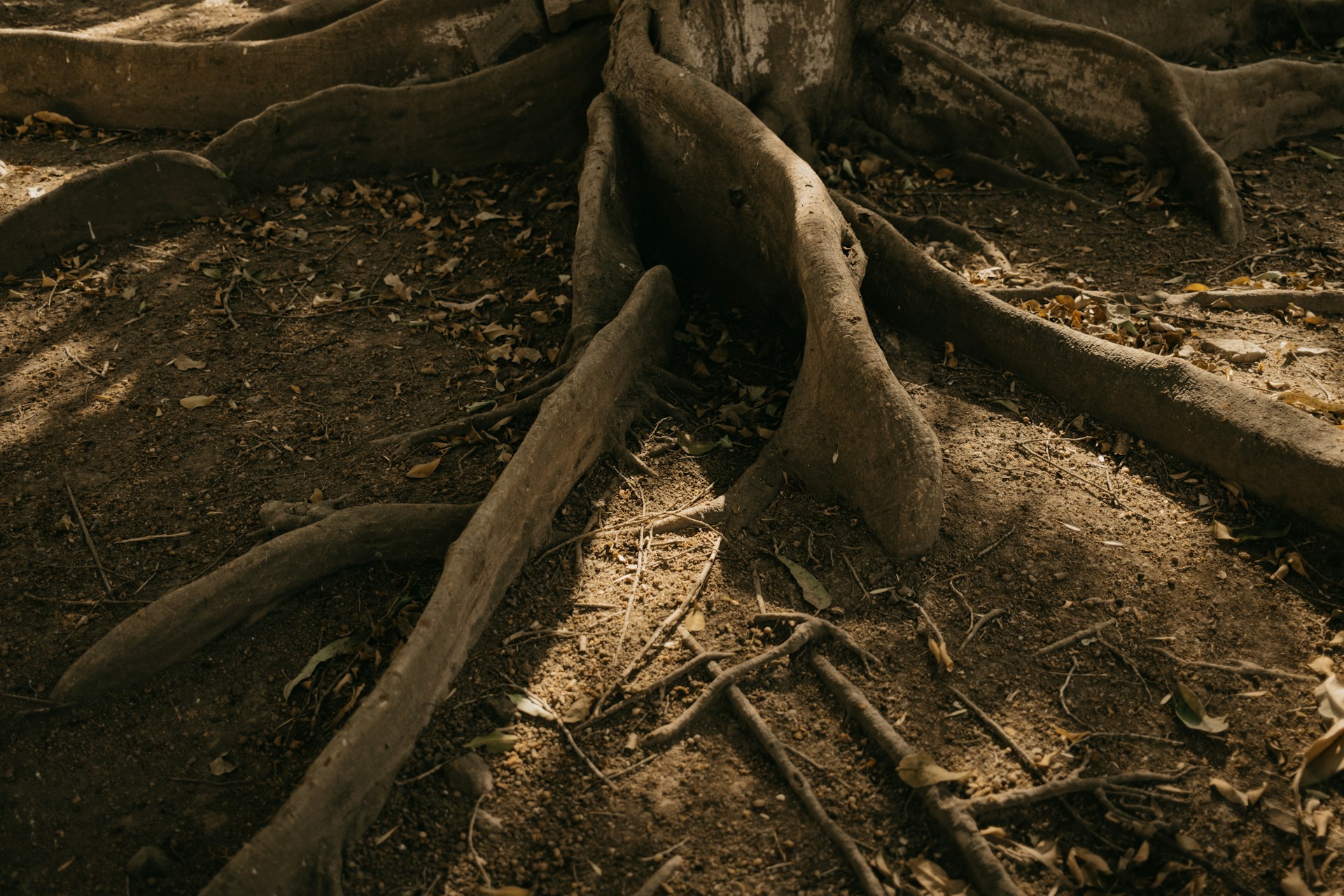
Tree roots often grow quietly underground, which makes it easy to miss warning signs until they start affecting your home. In Johns Creek, the combination of mature trees, clay-heavy soil, and winter moisture means roots can eventually press close to house foundations. That’s when problems begin.
This time of year, it’s smart to pay attention to what’s going on around your yard. Cold weather moves in, leaves fall away, and the soil settles, giving you a better look at possible early clues. So if you’re starting to notice shifts near your home’s base, it might be time to look closer. Early signs of underground trouble could point toward more serious issues. In some cases, tree removal in Johns Creek may be the safest way to protect your yard, structure, and peace of mind.
What Tree Roots Do Below Ground
Most tree roots grow wide, not deep. They spread out in all directions, hunting for water and nutrients wherever the soil allows. In Johns Creek, these roots often run into trouble because of our damp winters and heavy clay. Clay soil tends to hold water against foundations, keeping conditions wet, which can encourage roots to stay close and keep growing.
Roots don’t need much force to push their way into small foundation cracks or drainpipes. Over time, those cracks can get larger. Concrete shifts slightly from pressure, and moisture can make things worse. A sidewalk may start to lift or lean. Sometimes roots work their way under patios or driveways too.
We often see this kind of movement after stretches of rain, especially in winter when the ground feels soft and holds moisture longer. Tree roots don’t slow down in cold weather since the ground doesn’t freeze deeply in Georgia. Instead, winter gives them time to grow unseen.
Signs of Root Damage Around the Foundation
Damage from tree roots isn’t always obvious. A lot of times, we see small signs first. The problem grows slowly, until it starts affecting your home.
Here are some things to look for around your house:
• Cracks in the interior walls, especially near doors or windows
• Floors that feel uneven, dip slightly, or begin to slope
• Doors and windows that suddenly start sticking or won’t close properly
• Tiny gaps forming where walls meet the ceiling
Outside, the signs may look different but can still point to foundation trouble:
• Roots showing through the surface or pushing up bricks or pavers
• Raised soil near the base of trees close to your home
• Water pooling in strange areas after rain, possibly redirected by roots
During the winter months, when trees drop their leaves and the ground shifts from rain, these issues might be easier to spot. It’s a good time to do a small inspection and note anything that looks different from the fall.
Trouble Above Ground: How Trees Can Tell the Story
Sometimes, the signals come from the trees themselves. What’s above the dirt can offer clues about what’s happening below the surface.
Keep an eye out for these warning signs from nearby trees:
• A visible lean that wasn’t there before, especially toward your house
• Sparse or thinning canopies, even when no disease is present
• Branch die-off on one side of the tree
• Roots circling around the base, rather than reaching outward
• Uplifted sections where the root flare pops above the soil
These above-ground symptoms can suggest that roots have run out of growing space or have collided with a structure. In some cases, the tree may be stressed, which means it’s using more energy to work around the obstacles underground.
When a tree is large and positioned near your home, any root movement carries more risk, especially during storms or after repeated rains. It’s not just about the tree falling, it’s about what those roots might already be doing below your foundation.
When It’s Time to Bring in Help
If you’ve spotted some of these signs, it doesn’t always mean the tree has to come down. But it does mean a second look is smart. We never recommend guessing when there is a risk to the structure of a home.
Winter is a good time to have someone assess the situation because the soil is exposed and trees are easier to evaluate without their leaves. If the damage seems mild, it can be monitored. But if the issue is bigger, removal could be the best option.
Some cases of tree removal in Johns Creek happen not because the tree is dead, but because it’s too close to the foundation and too much risk is involved. When roots press under slabs or wrap around plumbing, the longer they’re left alone, the more repairs may be needed later. All Star Landscaping offers tree removal and stump grinding services that focus on safety and environmental responsibility while keeping disruption to your yard as low as possible. Removing problem trees and grinding stumps can enhance safety around your home, prepare the area for future projects, and improve your property’s curb appeal.
Getting a clear answer now helps prevent more serious problems as we head into spring, when roots will start actively growing again.
Keep Home and Yard Safe All Year Long
Tree root damage doesn’t happen overnight. It builds up slowly and often starts underground, far from view. By winter, as the soil settles and trees shift into dormancy, early signs tend to show more clearly. That makes this the right season to take notice and catch potential issues before they worsen.
Staying aware helps us protect both our homes and the trees we enjoy. A quick look now can keep small problems from turning into bigger ones. With the right kind of attention, we can figure out what needs to stay, what needs to go, and how to keep our yards working well, season after season.
Noticing signs of stress around your foundation or concerns that a nearby tree may be doing more harm than good is a clear call to act before spring growth kicks in. In Johns Creek, winter provides a prime opportunity to catch these issues early and consider your options. When a tree’s position poses a long-term risk, safe and timely removal may be the most responsible choice. We often help assess situations where tree removal in Johns Creek makes sense based on safety and structural health. When you’re not sure where to begin, contact All Star Landscaping and let us examine the situation together.